01
National Historic Landmark expertise
Fells Point is a federally-designated National Historic Landmark. Exterior work requires CHAP review and follows specific historic standards. We've walked these applications and know what passes.

Fells Point · Baltimore
Historic-district renovation work — homes, restaurants, retail. CHAP-aware. Bonded. Built for the waterfront.
MHIC #149066 Fully insured 40 Google reviews 12 min from Fells Point
Why Fells Point owners hire us
01
Fells Point is a federally-designated National Historic Landmark. Exterior work requires CHAP review and follows specific historic standards. We've walked these applications and know what passes.
02
The oldest housing stock in Baltimore. Many homes built before 1850, some before 1800. Original heart-pine floors, hand-hewn timber framing, lath-and-plaster walls. We restore rather than rip out where historic value warrants it.
03
Fells Point isn't just residential. Restaurants, retail, mixed-use rowhome conversions. We build commercial under MHIC + with bonding when required.
04
Proximity to the harbor changes the weatherproofing math. We use exterior materials rated for marine-grade exposure where the spec calls for it.
Most-requested in Fells Point
$19K – $35K
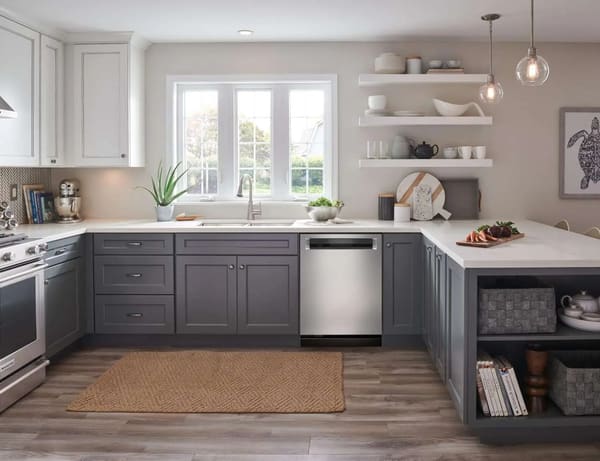
Galley layouts, period-appropriate finishes. Open-to-dining when structurally feasible.
$15K – $22K
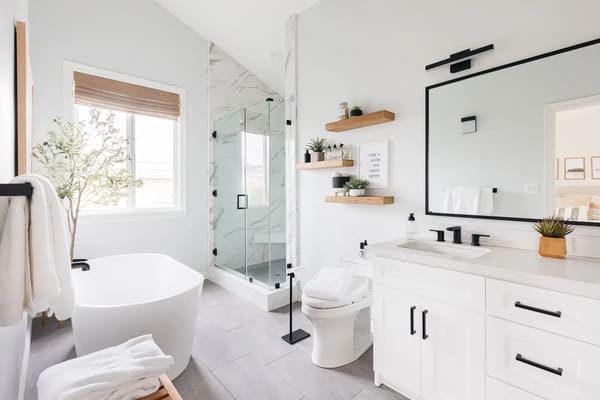
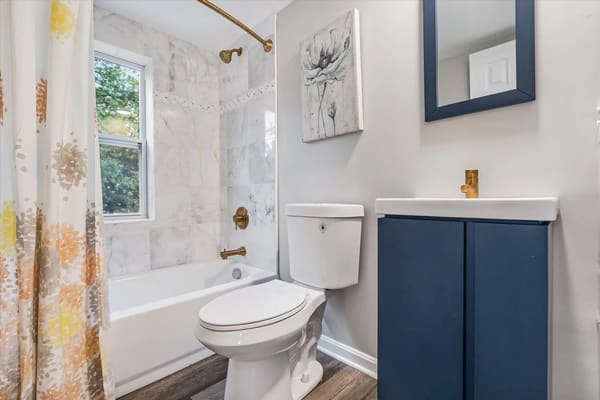
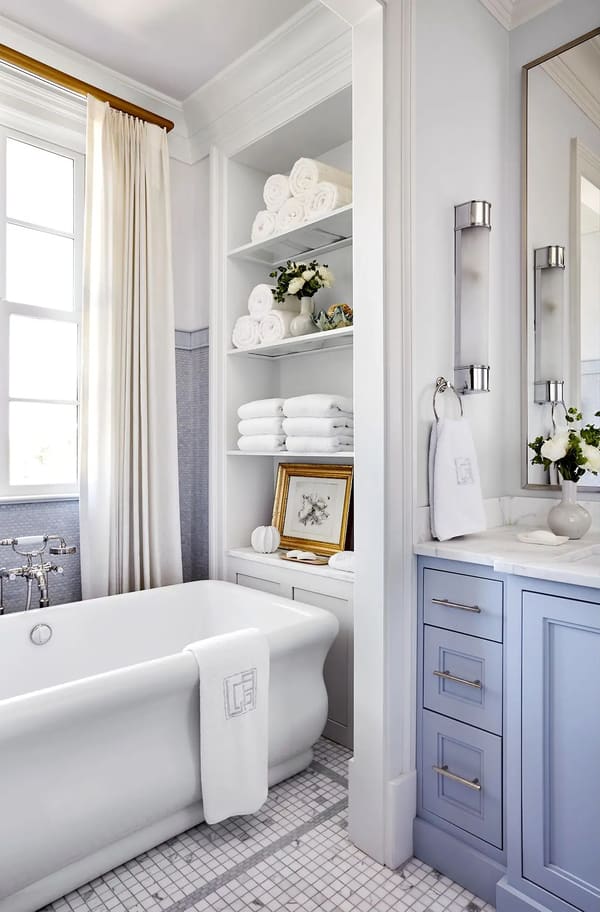
Period tile, frameless glass, exhaust vented to comply with CHAP exterior rules.
By quote
Restaurants, retail, mixed-use. FRP, grease traps, ADA upgrades. Bonded.
By quote
Full residential or commercial gut. Mechanical updates, plaster preservation, heart-pine refinishing.
Recent Fells Point work
Aliceanna St
Kitchen + bath, period restore
Thames St
Restaurant buildout
Bond St
Full residential gut rehab
Fells Point FAQ
Fells Point is a federally-designated National Historic Landmark AND a CHAP local historic district. Exterior changes — windows, doors, brick, paint colors, roofing materials, even some signage — require CHAP review. Interior work generally does not. We handle the CHAP application as part of every exterior scope.
Yes. Restaurants, retail, mixed-use conversions. We build commercial under our MHIC license and add bonding/insurance certs when required by the landlord or municipality. The Thames Street and Broadway commercial corridors are core to our commercial work.
Some Fells Point homes predate 1800. Most of the residential housing stock is 1820–1860 federal-style rowhomes with original heart-pine flooring, hand-hewn timber framing, and lath-and-plaster walls. We restore historic detail rather than ripping it out where the home merits preservation.
It can be. Proximity to the harbor means higher humidity and salt exposure on exterior materials. We spec marine-grade fasteners and weather-resistive barriers on exterior scopes. Interior moisture is more about historic plaster + lath wall systems, which we manage with the right vapor sequencing.
Interior-only work starts within 2 to 4 weeks of contract signing. Exterior or commercial work requires CHAP review which adds 4 to 8 weeks before permit. We can begin interior phases while exterior is in review so the schedule doesn't stall.
About Fells Point
Fells Point was established in 1730 by William Fell, a Quaker shipbuilder from Lancashire, England, who recognized the deep-water anchorage at the mouth of the Patapsco. The neighborhood is the oldest surviving residential district in Baltimore and one of the oldest in the United States. By the late 1700s Fells Point was the second-largest port in colonial America and the launching point for the privateers that disrupted British shipping during the Revolutionary War and the War of 1812.
The neighborhood retains its pre-Civil War street grid and a higher concentration of pre-1850 architecture than almost any other American port city. The cobblestone streets along Thames, Aliceanna, and Lancaster Streets are original (yes, the streets are over 200 years old). Fells Point is a National Historic Landmark — the highest federal historic designation — as well as a CHAP local historic district.
Fells Point housing stock is the oldest in Baltimore. Many homes date to 1790-1850. The federal-style rowhomes here predate the federal-style rowhomes of Federal Hill by 20-40 years on average. Construction is typically Flemish-bond brick on stone foundations, with hand-hewn timber framing inside (no balloon framing, no machine-cut studs), original heart-pine flooring with wide planks (8" or wider was standard pre-1850), and lath-and-plaster walls.
Typical Fells Point rowhome dimensions: 12 to 16 feet wide, 25 to 40 feet deep, two or three stories tall. Many homes are smaller than Canton or Federal Hill counterparts. Ceiling heights vary by era — pre-1820 homes can be as low as 7'8" on the upper floors, while 1830-1850 homes often reach 9'+.
Roofs are mostly flat with low parapets, replaced over the years with various membrane systems. Many homes have engineered roof decks with harbor views — these require CHAP review for any visibility from the public right-of-way.
Fells Point is BOTH a National Historic Landmark district AND a CHAP local historic district. This is the most consequential overlay in Baltimore for renovation work. Any exterior change (windows, doors, brick repointing, paint colors, roofing, sidewalk, signage) requires CHAP review BEFORE Baltimore City will issue a permit. The CHAP application adds 4 to 8 weeks to the schedule. Interior work generally does not require CHAP review.
Specific Fells Point CHAP standards: lime mortar required for brick repointing (modern Portland mortar damages original bricks), six-over-six double-hung sash for window replacement (no vinyl, no metal grids), wood doors for primary entrances (or fiberglass approved with documentation), shutters in proportion to window openings, no exterior wall-mounted air conditioners visible from the public right-of-way.
Commercial work in Fells Point follows the same CHAP rules plus additional zoning constraints — restaurant FRP installation, kitchen exhaust hoods, signage, sidewalk seating all require additional review.
The neighborhood centers on Broadway Square (a half-acre open square with a recreated 19th-century market house) and the waterfront promenade along Thames Street and Boston Street. The Robert Long House (1765) is the oldest urban residence in Baltimore. The Brown's Wharf and Bond Street Wharf commercial complexes anchor the eastern waterfront. Major streets: Broadway runs north-south; Thames, Aliceanna, Lancaster, Bank, and Eastern Avenue run east-west.
Fells Point homes sell between $400K (smaller, needs work) and $1.4M+ (fully restored three-story with roof deck and parking). The Bond Street and Wolfe Street corridors command premiums. Most owners are 35 to 65, often professionals working downtown or in the Johns Hopkins medical campus, with a strong preference for historic character and walkability. Renovation pacing tends to be slower here than other Baltimore neighborhoods because CHAP review extends every exterior scope's timeline.
Free walk-through this week. Written quote in 48 hours.
Selected projects
Restoration-friendly renovations a few blocks off Thames Street — 18th-century rowhomes with the structural quirks to match. Permits, code upgrades, and craftsmanship that respects the original.
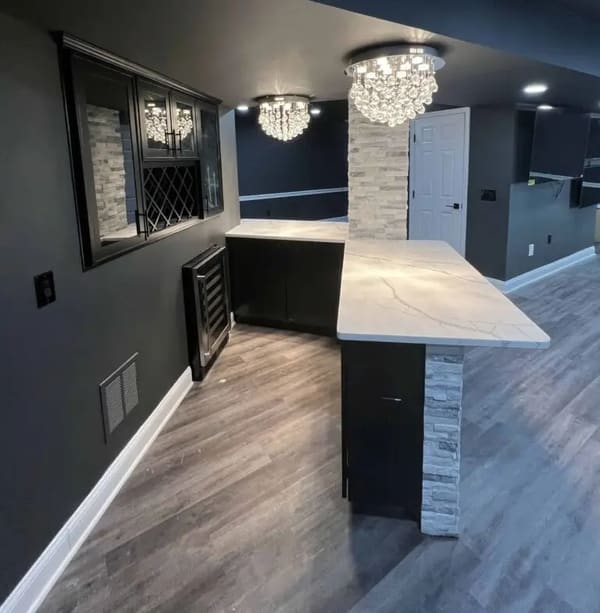
Kitchen and bath remodels, basement build-outs, and full rehabs across the Baltimore metro.