

Renovation Notes
What Are The Pros And Cons Of An Open Floor Plan?
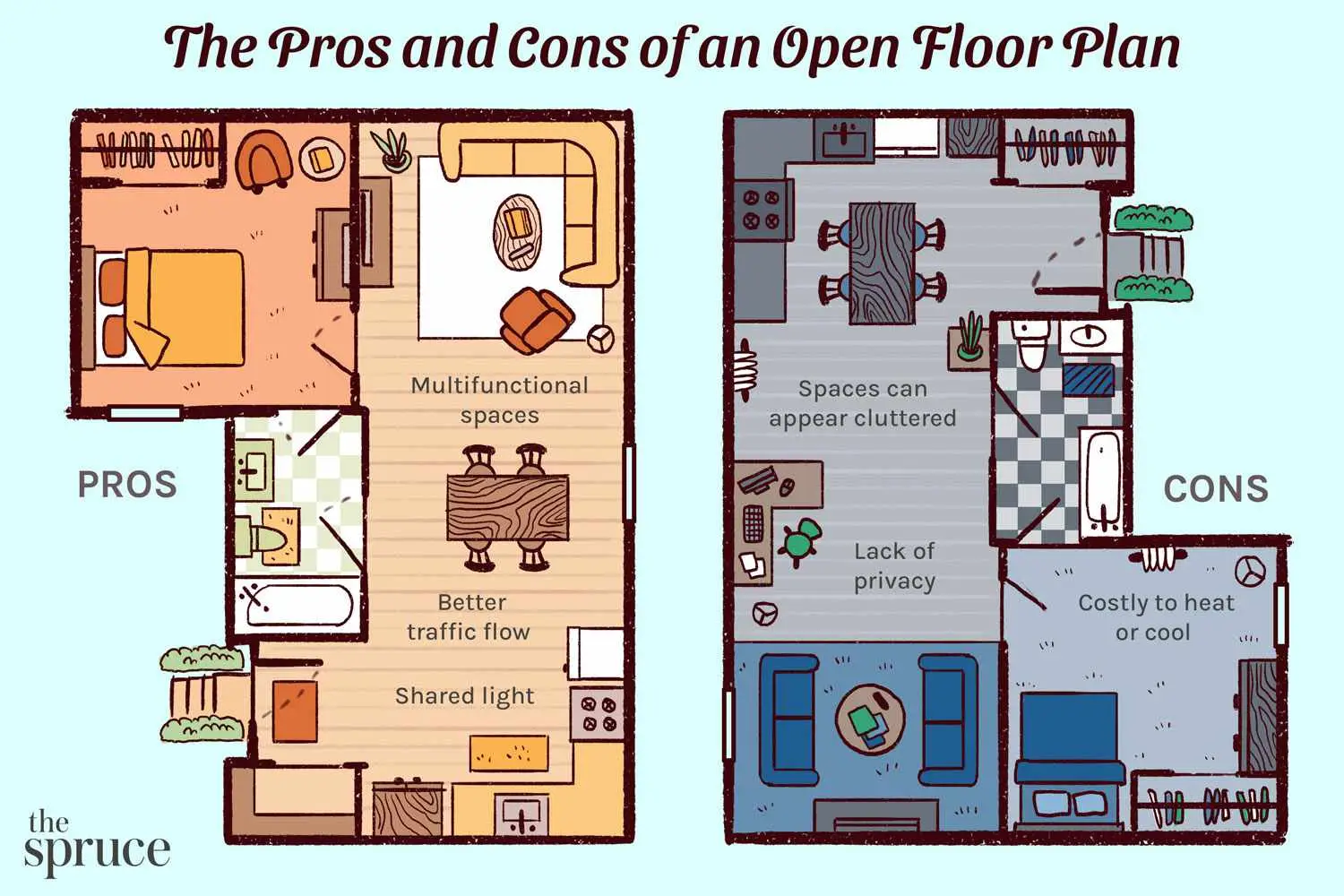
Thinking of redesigning your home or office space? One popular trend that has gained traction in recent years is the open floor plan. But before you jump on the bandwagon, it’s important to consider the pros and cons of this design choice. In this article, we will explore the advantages and disadvantages of an open floor plan, helping you make an informed decision that suits your needs and preferences.
On one hand, an open floor plan can create a sense of spaciousness and promote social interaction. The removal of walls and barriers allows for seamless flow between different areas, making it easier to entertain guests or keep an eye on children while going about your daily tasks. Additionally, an open floor plan allows for more natural light to penetrate the space, creating a bright and airy atmosphere. However, it’s not all sunshine and rainbows.
Open floor plans have become increasingly popular in modern homes, but they come with both pros and cons.
Pros:
– Enhanced social interaction: Open floor plans create a seamless flow between living spaces, making it easier for family members and guests to interact and engage in conversations.
– More natural light: Removing walls allows for better natural light distribution, making the space feel brighter and more inviting.
– Flexibility: With an open layout, you have the freedom to arrange furniture and décor in various ways, adapting to your changing needs and preferences.
Cons:
– Lack of privacy: Open floor plans can compromise privacy, as sound and visual distractions are more difficult to avoid.
– Limited storage: Without walls and separate rooms, storage space can be limited, leading to a cluttered and less organized living area.
– Difficulty in zoning: Open layouts may make it challenging to define distinct areas for different activities, like dining, working, and relaxing.
While open floor plans offer a contemporary and spacious feel, it’s important to consider the potential drawbacks before deciding if it’s the right choice for your home.

What Are the Pros and Cons of an Open Floor Plan?
An open floor plan is a popular choice for modern homes, as it creates a spacious and airy atmosphere. This design concept removes walls and barriers between living spaces, allowing for better flow and interaction. However, like any architectural choice, there are pros and cons to consider. In this article, we will explore the advantages and disadvantages of an open floor plan.
The Pros of an Open Floor Plan
Open floor plans offer several benefits that make them appealing to homeowners.
One of the main advantages is the sense of spaciousness and freedom it provides. Without walls dividing the spaces, natural light can flow throughout the entire area, making the space feel larger and more inviting. This open layout also allows for flexibility in furniture arrangement, giving homeowners the freedom to create different zones within the space.
Another advantage is the improved social interaction. With an open floor plan, family members and guests can easily communicate and engage with each other, whether they are in the kitchen, dining area, or living room. This promotes a sense of togetherness and fosters a more social atmosphere, which is especially beneficial for those who enjoy entertaining or have young children.
Better Flow and Accessibility
In addition to the sense of space and social interaction, open floor plans also offer better flow and accessibility. Without walls obstructing the view, it is easier to move around the space and navigate between different areas. This is particularly beneficial for individuals with mobility issues or families with young children, as it allows for better supervision and reduces the risk of accidents.
An open floor plan can enhance the overall aesthetic appeal of a home. It creates a modern and contemporary look that is highly sought after in the real estate market. This design choice also allows for more natural light to enter the space, which can have a positive impact on the mood and well-being of the occupants.
The Cons of an Open Floor Plan
While there are many advantages to an open floor plan, it is important to consider the potential drawbacks as well.
One of the main concerns is the lack of privacy. Without walls to separate different areas, it can be challenging to find a quiet and secluded space in an open floor plan. This can be problematic for individuals who require privacy for work or study, or for those who value having separate rooms for specific activities.
Another disadvantage is the potential for noise and lack of acoustical control. With an open layout, sound can easily travel throughout the space, making it difficult to have private conversations or enjoy different activities without disturbance. This can be a significant drawback for households with multiple occupants or for those who value peace and quiet.
Less Storage and Defined Spaces
Open floor plans may offer less storage and defined spaces compared to traditional layouts with separate rooms. Without walls and designated areas, it can be challenging to incorporate ample storage solutions or create distinct zones for different functions. This can lead to clutter and a lack of organization, which may not be ideal for individuals who prefer a more structured and compartmentalized living environment.
Open floor plans may pose challenges for temperature control and energy efficiency. Without walls to create separate rooms, it may be more difficult to regulate the temperature in different areas of the home. This can result in higher energy consumption and increased utility costs.
In conclusion, open floor plans have their advantages and disadvantages. They offer a sense of spaciousness, improved social interaction, and better flow, but they may also lack privacy, acoustical control, and defined spaces. Ultimately, the decision to adopt an open floor plan should be based on individual preferences and lifestyle needs.
Key Takeaways: What Are the Pros and Cons of an Open Floor Plan?
- An open floor plan allows for better social interaction and communication among family members and guests.
- Open spaces in an open floor plan create a sense of spaciousness and can make a home feel larger.
- An open floor plan allows for more natural light to flow throughout the space, creating a brighter and more inviting atmosphere.
- However, privacy can be a concern in an open floor plan, as there are fewer closed-off spaces for personal activities or quiet time.
- Noise can also be an issue in an open floor plan, as sounds can travel more easily throughout the space.
Frequently Asked Questions
1. What are the benefits of an open floor plan?
An open floor plan offers several advantages that make it a popular choice for many homeowners. Firstly, it creates a sense of spaciousness and promotes a flow of natural light throughout the entire living space. This can make a room feel larger and more inviting, as well as enhance the overall ambiance of the home.
Secondly, an open floor plan encourages social interaction and connectivity among family members and guests. It eliminates barriers such as walls and partitions, allowing for seamless communication and easy movement between different areas. This can be especially beneficial for families with young children or for those who frequently entertain guests.
2. Are there any downsides to having an open floor plan?
While open floor plans have their advantages, they also come with a few potential drawbacks. One major concern is the lack of privacy that comes with open spaces. Without walls or doors to separate different areas, it can be challenging to find a quiet spot or maintain individual privacy.
Open floor plans may pose challenges in terms of noise control and temperature regulation. The absence of walls can lead to increased noise levels, making it difficult to have separate activities happening simultaneously. Furthermore, heating or cooling a large open space can be less efficient compared to smaller, more contained rooms.
3. How does an open floor plan affect home resale value?
An open floor plan is generally considered a desirable feature in the real estate market. It can increase the perceived value of a home and attract potential buyers. The open layout creates a visually appealing and modern aesthetic, which is often sought after by homebuyers.
However, personal preferences vary, and some buyers may still prefer more traditional or compartmentalized layouts. It is always recommended to consult with a real estate professional to understand the specific market trends and preferences in your area before making any significant changes to your home’s layout.
4. Can an open floor plan be suitable for all types of homes?
An open floor plan can work well in a variety of home types, but it may not be suitable for every situation. Older homes with structural limitations or homes with load-bearing walls may require significant renovations to achieve an open layout.
Individuals who value privacy or have specific functional needs, such as a home office or separate play area for children, may find a more traditional layout better suited to their lifestyle. It is important to consider your specific needs and consult with a professional to determine the feasibility and potential benefits of an open floor plan for your home.
5. What are some design considerations for an open floor plan?
When designing an open floor plan, it is important to pay attention to certain aspects to optimize the space. One key consideration is creating defined zones within the open space. This can be achieved through the strategic placement of furniture, rugs, or even different flooring materials to visually separate areas.
It is important to ensure proper ventilation and lighting throughout the open space. Consider incorporating windows, skylights, or other sources of natural light to enhance the overall ambiance. Lastly, selecting furniture and decor that complement the open concept can help create a cohesive and harmonious look.
Open Concept Floorplans: Pros & Cons – Real Estate Ramblings Episode 13
Final Summary: The Pros and Cons of an Open Floor Plan
Now that we’ve explored the pros and cons of an open floor plan, it’s time for the final summary. While there are certainly advantages to this popular home design trend, it’s important to weigh them against the potential drawbacks.
On the positive side, an open floor plan can create a sense of spaciousness and flow, allowing natural light to permeate throughout the space. It encourages a more social and interactive environment, making it easier to entertain guests or keep an eye on children while going about your daily tasks. Additionally, an open layout provides flexibility in furniture arrangement and allows for easy movement between different areas, enhancing functionality and convenience.
However, an open floor plan may not be suitable for everyone. Privacy can be compromised, as noise and distractions from one area can easily carry into another. It can also be challenging to maintain a clutter-free space, as there are fewer walls to hide away belongings. In terms of heating and cooling, an open layout may require more energy to regulate temperature throughout the entire space.
In conclusion, the pros and cons of an open floor plan should be carefully considered before making a decision. It offers an inviting and modern living experience, but it’s important to weigh the benefits against potential challenges. Ultimately, it’s about finding a balance that suits your lifestyle and preferences. Whether you embrace the openness or prefer a more traditional layout, there are plenty of options to create a