

Renovation Notes
Should I Replace Aluminum Windows?
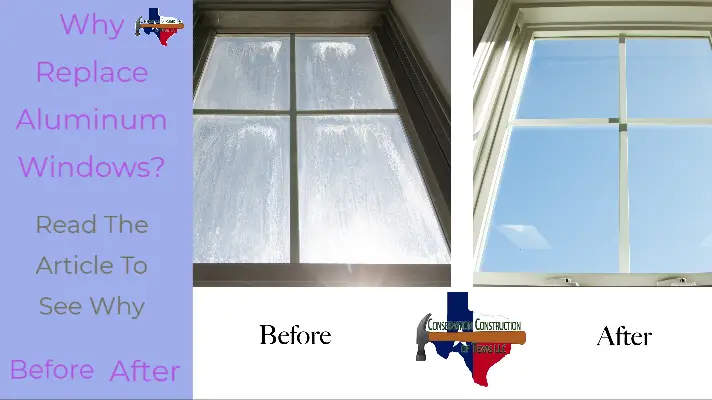
Are you wondering whether you should replace your aluminum windows? Well, let’s dive into this topic and explore the pros and cons. Replacing windows can be a significant investment, so it’s important to consider all factors before making a decision. In this article, we’ll discuss the benefits of replacing aluminum windows, potential drawbacks, and provide you with some helpful insights to guide you in your decision-making process.
When it comes to home improvement, one of the most common questions homeowners ask is whether they should replace their aluminum windows. Aluminum windows have been popular for decades due to their durability and affordability. However, advancements in window technology have introduced new options that may offer better energy efficiency and improved aesthetics. Before we delve into the specifics, it’s essential to understand the factors that may influence your decision. So, let’s take a closer look at the pros and cons of replacing your aluminum windows.
Wondering if you should replace your aluminum windows? Here’s what you need to know. Aluminum windows are durable and low-maintenance, but they can have drawbacks. They are less energy-efficient than other window materials and can contribute to heat loss or gain. If energy efficiency is a priority for you, consider replacing your aluminum windows with options like vinyl or fiberglass, which offer better insulation. Additionally, aluminum windows may not provide optimal soundproofing. Evaluate your needs and consult with a window professional to determine if replacing your aluminum windows is the right choice for you.

Should I Replace Aluminum Windows?
Aluminum windows have been a popular choice for homeowners due to their durability and low maintenance. However, as time goes on, you may start to wonder if it’s time to replace your aluminum windows. In this article, we will explore the factors to consider when deciding whether to replace your aluminum windows and provide you with valuable insights to help you make an informed decision.
Benefits of Aluminum Windows
Aluminum windows offer several benefits that make them an attractive option for many homeowners. Firstly, they are highly durable and can withstand harsh weather conditions, making them ideal for regions with extreme temperatures or frequent storms. Additionally, aluminum windows are low maintenance, requiring minimal upkeep compared to other window materials. They are resistant to rot, rust, and corrosion, ensuring they will last for many years without deteriorating.
Another advantage of aluminum windows is their slim frame design, allowing for larger glass surfaces and maximizing natural light in your home. This feature not only enhances the aesthetic appeal but also improves energy efficiency by reducing the need for artificial lighting during the day. Furthermore, aluminum windows are available in a wide range of colors and finishes, providing flexibility in design and allowing you to match your windows to your home’s style.
Long Lifespan of Aluminum Windows
One of the key reasons homeowners choose aluminum windows is their long lifespan. Aluminum is a durable material that can withstand the test of time, making it a reliable option for windows. With proper care and maintenance, aluminum windows can last for several decades without losing their functionality or aesthetic appeal. This longevity ensures that you get the most out of your investment and can enjoy the benefits of aluminum windows for years to come.
However, it’s important to note that the lifespan of aluminum windows can be affected by various factors, such as the quality of installation, exposure to extreme weather conditions, and regular maintenance. Poor installation or lack of maintenance can lead to issues such as air leaks, water infiltration, or condensation, which may shorten the lifespan of your windows. Therefore, it’s crucial to choose a reputable installer and follow proper maintenance practices to ensure the longevity of your aluminum windows.
Energy Efficiency Considerations
When evaluating whether to replace your aluminum windows, energy efficiency is an important factor to consider. While aluminum itself is not the most energy-efficient material, advancements in window technology have made it possible to enhance the energy performance of aluminum windows.
To improve energy efficiency, aluminum windows are often equipped with thermal breaks, which are insulating materials placed between the interior and exterior of the frame. This helps to reduce heat transfer and improve the window’s insulation properties. Additionally, modern aluminum windows can be fitted with double or triple glazing, further enhancing their energy efficiency by reducing heat loss and minimizing drafts.
However, it’s essential to note that even with these enhancements, aluminum windows may not provide the same level of insulation as other window materials, such as vinyl or wood. If energy efficiency is a top priority for you, it may be worth considering replacing your aluminum windows with more energy-efficient options.
In the next section, we will discuss the signs that indicate it may be time to replace your aluminum windows and explore alternative window materials to consider.
Key Takeaways: Should I Replace Aluminum Windows?
- Aluminum windows can be replaced if they are old, damaged, or inefficient.
- Replacing aluminum windows can improve energy efficiency and reduce heating and cooling costs.
- New windows can enhance the aesthetics of your home and increase its value.
- Consider replacing aluminum windows if you experience drafts or noise infiltration.
- Consult with a professional to assess the condition of your aluminum windows and determine if replacement is necessary.
Frequently Asked Questions
1. Are aluminum windows worth replacing?
Aluminum windows are a popular choice due to their durability and low maintenance. However, there are several factors to consider when deciding whether to replace them. One important factor is the age and condition of your current aluminum windows. If they are old and showing signs of wear and tear, it may be worth considering replacement. Additionally, if you are experiencing issues such as drafts, leaks, or difficulty in opening and closing the windows, it might be a good idea to replace them.
Another factor to consider is energy efficiency. Aluminum windows are not as energy-efficient as other types of windows, such as vinyl or fiberglass. If you are looking to improve the energy efficiency of your home and reduce your energy bills, replacing your aluminum windows with more energy-efficient options might be a wise choice.
2. What are the benefits of replacing aluminum windows?
Replacing aluminum windows with newer, more energy-efficient options can bring several benefits. One significant benefit is improved energy efficiency. Newer windows are designed with better insulation properties, which can help keep your home cooler in the summer and warmer in the winter. This can result in reduced energy consumption and lower utility bills.
Another benefit is enhanced aesthetics. Aluminum windows can appear outdated and may not fit with the overall style of your home. By replacing them with newer windows, you can give your home a fresh and modern look. Additionally, newer windows often come with a variety of design options, allowing you to choose styles and finishes that complement your home’s architecture.
3. How much does it cost to replace aluminum windows?
The cost of replacing aluminum windows can vary depending on several factors, including the size of the windows, the type of replacement windows chosen, and the complexity of the installation. On average, homeowners can expect to spend between $500 and $1,200 per window for replacement, including both materials and labor.
It’s important to note that while the upfront cost of replacement windows may seem high, they can provide long-term savings in terms of energy efficiency and reduced utility bills. Additionally, investing in higher-quality windows can result in greater durability and longevity, reducing the need for future replacements.
4. How long do aluminum windows last?
The lifespan of aluminum windows can vary depending on several factors, including the quality of the windows, maintenance practices, and environmental conditions. On average, aluminum windows can last between 20 to 30 years. However, with proper care and maintenance, they can last even longer.
To extend the lifespan of your aluminum windows, it’s important to keep them clean and perform regular inspections for any signs of damage or wear. Promptly addressing any issues, such as leaks or damaged seals, can help prevent further damage and prolong the life of your windows.
5. Can I replace aluminum windows myself?
While it is possible to replace aluminum windows yourself, it is generally recommended to hire a professional for this task. Window replacement requires precise measurements, proper installation techniques, and specialized tools. A professional window installer will have the expertise and experience to ensure that the replacement windows are installed correctly and function properly.
Attempting to replace windows without the necessary skills and knowledge can lead to improper installation, which can result in issues such as air leaks, water infiltration, and reduced energy efficiency. It’s best to consult with a reputable window installation company to ensure the job is done right.
Removing a typical California aluminum window
Final Thought: Should You Replace Your Aluminum Windows?
After exploring the pros and cons of replacing aluminum windows, it’s clear that the decision ultimately depends on your specific circumstances and preferences. While there are valid reasons to consider replacing them, such as improved energy efficiency and aesthetics, it’s important to weigh the costs and benefits before making a final decision.
One key factor to consider is the condition of your current aluminum windows. If they are damaged, outdated, or causing energy inefficiency, replacing them can be a worthwhile investment. Newer windows offer enhanced insulation, reducing energy consumption and lowering utility bills. Additionally, they can enhance the overall appearance of your home, boosting its curb appeal and potentially increasing its value.
However, if your aluminum windows are still in good condition and functioning well, there may be less urgency to replace them. Regular maintenance and upgrades, such as weatherstripping or adding storm windows, can help improve their performance without the need for a complete replacement. It’s also worth considering your budget and the potential disruption that a window replacement project may cause.
Ultimately, the decision to replace your aluminum windows should be based on a careful evaluation of your individual needs and circumstances. It’s always a good idea to consult with a professional window contractor who can assess your current windows and provide expert advice tailored to your situation. By weighing the costs, benefits, and alternatives, you can make an informed decision that best suits your home and lifestyle.
Remember, replacing your windows is a