

Renovation Notes
Is It Possible To Repair Mold-damaged Drywall
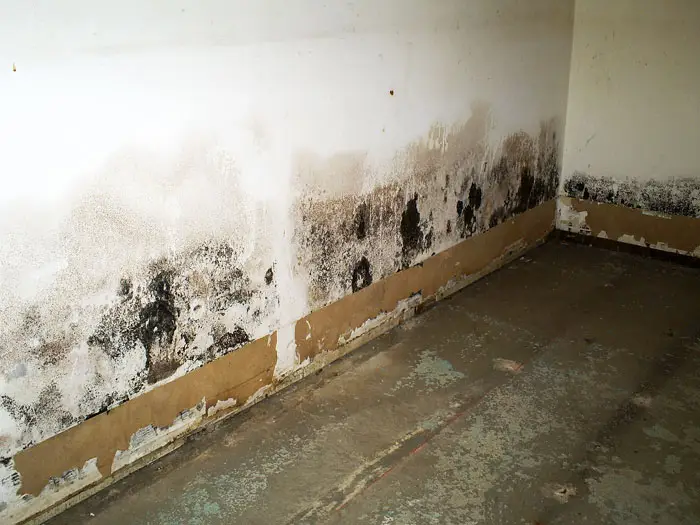
Is it possible to repair mold-damaged drywall? If you’ve ever faced this frustrating situation, you know how daunting it can be. Mold can wreak havoc on your walls, causing not only unsightly stains but also potential health risks. But fear not! In this article, we will explore the possibility of repairing mold-damaged drywall and provide you with some helpful tips and insights along the way.
When it comes to mold-damaged drywall, the first question that often comes to mind is whether it can be salvaged or if it needs to be completely replaced. The good news is that in many cases, it is indeed possible to repair mold-damaged drywall. However, the extent of the damage and the type of mold involved play a crucial role in determining the best course of action.
So, if you’re ready to learn more about how to tackle this common problem and restore your drywall to its former glory, keep reading. We’ll delve into the steps you can take to assess the damage, identify the type of mold, and explore various repair options. By the end of this article, you’ll have a better understanding of whether repairing mold-damaged drywall is a feasible solution for your specific situation. Let’s get started!
Repairing mold-damaged drywall is possible, but it’s important to take the necessary precautions to ensure the mold is fully eradicated. Start by identifying the source of the moisture and fixing it to prevent future mold growth. Next, remove the affected drywall, making sure to wear protective gear to avoid inhaling mold spores. Clean the area thoroughly with a mixture of bleach and water, then allow it to dry completely. Finally, replace the damaged drywall with new material and apply a mold-resistant primer and paint to prevent future mold growth.

Is it Possible to Repair Mold-damaged Drywall?
Drywall is a common material used in construction for its affordability and ease of installation. However, one of the biggest challenges homeowners face with drywall is mold damage. Mold can grow quickly on drywall in damp or humid environments, and if left untreated, it can cause structural issues and pose health risks. Many homeowners wonder if it is possible to repair mold-damaged drywall or if it needs to be replaced entirely. In this article, we will explore the possibilities of repairing mold-damaged drywall and provide helpful tips on how to address this issue effectively.
Understanding the Scope of Mold Damage
Mold damage can vary in severity depending on factors such as the type of mold, duration of exposure, and the condition of the drywall. In some cases, mold growth may be limited to the surface and can be easily remediated. However, if the mold has penetrated deep into the drywall or if there is extensive visible damage, repair may not be feasible. It is crucial to assess the extent of mold damage before deciding on the appropriate course of action.
Repairing Mold-Damaged Drywall: The Steps Involved
Step 1: Identify the Source of Moisture
Before attempting any repairs, it is essential to identify and address the source of moisture that caused the mold growth. Whether it’s a leaky pipe, a roof issue, or high humidity levels, fixing the underlying problem is crucial to prevent future mold growth.
Step 2: Isolate the Affected Area
To prevent the spread of mold spores during the repair process, it is crucial to isolate the affected area. This can be done by sealing off the room and using plastic sheets to create a containment barrier. It is also advisable to wear protective gear, such as gloves, goggles, and a respirator, to minimize exposure to mold spores.
Step 3: Remove Mold-Infested Materials
If the mold damage is extensive or if the drywall has absorbed moisture and become weakened, it may be necessary to remove the affected materials. This includes cutting out the mold-infested drywall, insulation, and any other compromised components. It is essential to dispose of these materials properly to prevent further contamination.
Step 4: Clean and Treat the Area
After removing the mold-infested materials, thoroughly clean the area using a mold-specific cleaner or a mixture of water and detergent. Scrub the surfaces to remove any remaining mold spores and allow the area to dry completely. Once dry, apply a mold-inhibiting treatment to the surrounding surfaces to prevent future mold growth.
Step 5: Repair or Replace the Drywall
After the area is clean and dry, assess the condition of the remaining drywall. If there are only minor surface imperfections, such as discoloration or small cracks, these can be repaired using drywall patching compound. However, if the drywall has been significantly damaged, it may need to be replaced entirely. Consult with a professional to determine the best course of action based on the severity of the damage.
When to Seek Professional Help
While minor cases of mold-damaged drywall can be addressed with DIY methods, more severe cases may require the expertise of a professional mold remediation specialist. Here are some situations where it is advisable to seek professional help:
- If the mold growth covers a large area or extends beyond the surface of the drywall.
- If the mold has caused structural damage to the drywall or surrounding materials.
- If the mold is a result of a hidden or ongoing moisture issue that requires professional assessment and repair.
- If there are health concerns or respiratory symptoms related to mold exposure.
Preventing Future Mold Damage
To mitigate the risk of mold growth on drywall, it is essential to address any sources of moisture promptly. Here are some preventive measures you can take:
- Fix any leaks or water damage in your home, including plumbing issues, roof leaks, or foundation cracks.
- Ensure proper ventilation in areas prone to moisture, such as bathrooms, kitchens, and basements.
- Monitor indoor humidity levels and use dehumidifiers if necessary.
- Regularly inspect and maintain your HVAC system to prevent condensation and mold growth.
- Keep the drywall clean and dry, promptly addressing any signs of moisture or mold.
Additional Considerations for Repairing Mold-Damaged Drywall
When dealing with mold-damaged drywall, it is essential to consider the following:
Health Risks
Mold can pose significant health risks, particularly for individuals with respiratory conditions, allergies, or weakened immune systems. If you suspect mold growth in your home, it is crucial to take appropriate precautions and seek professional help if necessary.
Insurance Coverage
Depending on your insurance policy, mold damage caused by covered perils may be eligible for coverage. Review your policy and consult with your insurance provider to determine if you have coverage for mold remediation.
DIY vs. Professional Assistance
While minor cases of mold-damaged drywall can be addressed with DIY methods, it is essential to know your limitations. If you have limited experience or if the damage is extensive, professional assistance can ensure a thorough and safe remediation process.
In conclusion, repairing mold-damaged drywall is possible in many cases, especially if the damage is minimal and confined to the surface. However, it is crucial to assess the severity of the mold damage and take appropriate measures to address the underlying moisture issue. Whether you choose to tackle the repairs yourself or seek professional help, prompt action is key to preventing further damage and ensuring a safe and healthy living environment.
Key Takeaways: Is it Possible to Repair Mold-damaged Drywall
- Yes, it is possible to repair mold-damaged drywall.
- The first step is to identify and eliminate the source of moisture causing the mold growth.
- Next, remove the affected drywall carefully to prevent spreading mold spores.
- Clean the surrounding area with a mixture of water and bleach to kill any remaining mold.
- Finally, replace the damaged drywall with new materials and ensure proper ventilation to prevent future mold growth.
Frequently Asked Questions
Can mold-damaged drywall be repaired?
Yes, it is possible to repair mold-damaged drywall. However, it is important to assess the extent of the damage and take appropriate measures to ensure the mold is completely eradicated before starting the repair process. In some cases, minor mold growth can be treated by cleaning the affected area and applying a mold-resistant primer. For more severe damage, it may be necessary to remove and replace the affected sections of drywall.
It is crucial to remember that mold can be a health hazard, so it is advisable to seek professional assistance when dealing with mold-damaged drywall. A professional mold remediation expert can assess the situation, provide appropriate recommendations, and safely remove the mold to prevent further contamination.
What steps should be taken to repair mold-damaged drywall?
The first step in repairing mold-damaged drywall is to identify and address the source of moisture that caused the mold growth. This could be a leaking pipe, a faulty ventilation system, or excessive humidity. Once the source of moisture is fixed, the affected area needs to be thoroughly cleaned and dried to prevent further mold growth.
If the mold growth is limited to the surface of the drywall, it can be cleaned using a mixture of water and detergent. However, if the mold has penetrated the drywall or if the damage is extensive, it is recommended to remove and replace the affected sections of drywall. This ensures that all traces of mold are eliminated and prevents the recurrence of mold growth in the future.
How can I prevent mold from growing on drywall?
To prevent mold from growing on drywall, it is essential to control and minimize moisture levels in your home. Ensure proper ventilation in areas prone to moisture, such as bathrooms and kitchens, by using exhaust fans or opening windows. Fix any leaks or water damage promptly to prevent the accumulation of moisture.
Regularly inspect your home for signs of water intrusion, such as damp spots or discoloration on the walls. Ensure that your home is well-insulated to prevent condensation and humidity buildup. Using mold-resistant drywall or applying mold-resistant paint can also help inhibit mold growth. Lastly, maintaining proper indoor humidity levels, ideally between 30% and 50%, can significantly reduce the likelihood of mold growth on drywall.
Is it safe to remove mold-damaged drywall by myself?
While it may be tempting to remove mold-damaged drywall yourself, it is generally recommended to seek professional assistance. Mold can release spores when disturbed, which can be harmful when inhaled. Professional mold remediation experts have the necessary training, equipment, and protective gear to safely remove mold and prevent its spread.
If you decide to tackle the removal yourself, it is crucial to take appropriate safety precautions. Wear protective clothing, gloves, goggles, and a respirator to minimize exposure to mold spores. Seal off the affected area to prevent the spread of mold throughout your home and properly dispose of any contaminated materials. However, it is still advisable to consult with a professional to ensure proper handling and disposal of mold-damaged materials.
How can I ensure that mold will not return after repairing the drywall?
To ensure that mold does not return after repairing the drywall, it is crucial to address the underlying cause of the mold growth. Identify and fix any sources of moisture, such as leaks or humidity issues. Properly ventilate areas prone to moisture and regularly inspect for any signs of water intrusion.
Using mold-resistant materials, such as mold-resistant drywall or paint, can help prevent mold growth in the future. Maintain proper indoor humidity levels and promptly address any water damage or leaks to minimize the risk of mold recurrence. Regularly cleaning and maintaining your home’s ventilation systems can also help prevent the buildup of moisture and mold growth.
Final Thoughts
So, is it possible to repair mold-damaged drywall? The answer is a resounding yes! While mold damage can be a daunting issue, there are effective solutions available to restore your drywall to its former glory. By following the right steps and using the proper techniques, you can successfully eliminate mold and repair the affected areas.
First and foremost, it’s crucial to address the source of the mold problem. Whether it’s a leaky pipe or excessive humidity, fixing the underlying issue is essential to prevent future mold growth. Once the source is resolved, you can proceed with repairing the drywall.
To begin the repair process, it’s important to remove any visible mold on the surface. This can be done by scrubbing the affected area with a mixture of water and detergent or using a mold-killing solution. Afterward, the damaged drywall needs to be carefully cut out and replaced with new drywall. Remember, it’s crucial to wear protective gear, such as gloves and a mask, to avoid any health risks associated with mold exposure.
After installing the new drywall, it’s time to prime and paint the repaired area to match the rest of the wall. This final step not only restores the aesthetics of the space but also helps to seal the repaired area, preventing any future mold growth.
In conclusion, repairing mold-damaged drywall is indeed possible with the right approach. By addressing the source of the mold, removing the affected dry