

Renovation Notes
How Much Does Siding Replacement Cost?
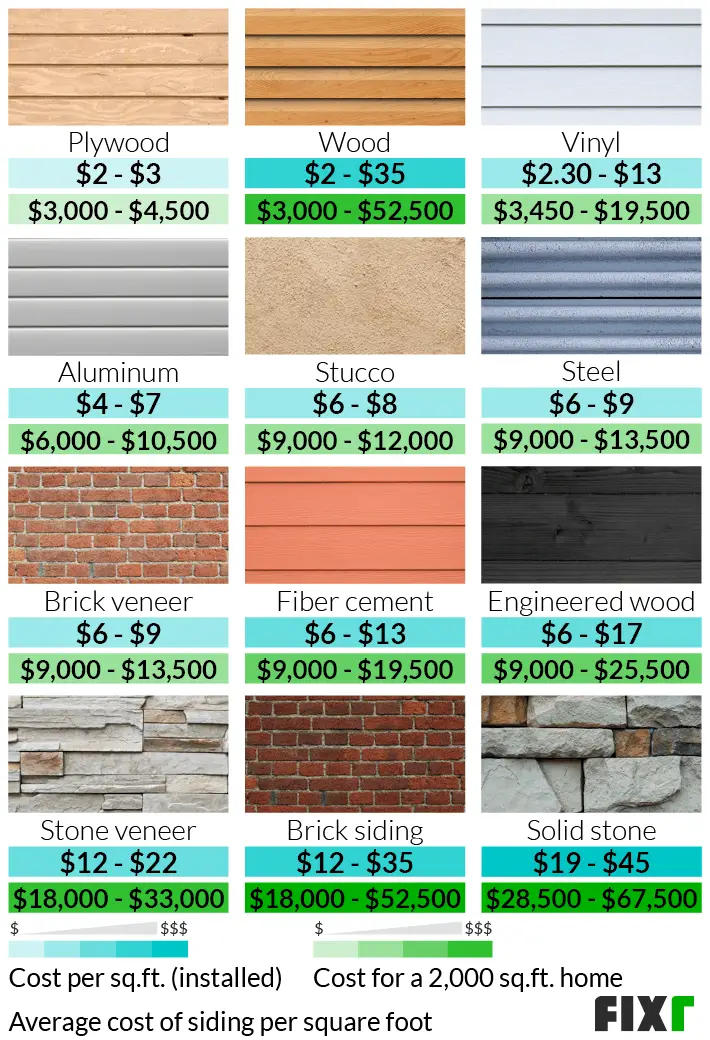
If you’re a homeowner considering a siding replacement, the burning question on your mind is probably, “How much does siding replacement cost?” Well, my friend, you’ve come to the right place! In this article, we’ll dive into the world of siding replacement costs and give you all the juicy details you need to make an informed decision. So, grab a cup of coffee, get cozy, and let’s get started!
When it comes to the cost of siding replacement, there are several factors that come into play. The type of siding you choose, the size of your home, and any additional customization or upgrades you opt for can all impact the final price tag. But fear not! We’ll break it all down for you and make it as clear as day. By the end of this article, you’ll have a good grasp on the average costs, the factors to consider, and even some tips on how to save a buck or two. So, buckle up, my friend, and let’s embark on this siding replacement cost adventure together!
Siding replacement costs can vary depending on several factors. The size of your home, the type of siding material you choose, and the complexity of the installation can all affect the overall cost. On average, homeowners can expect to spend between $5,000 and $15,000 for a complete siding replacement. It’s best to get multiple quotes from reputable contractors to get a more accurate estimate for your specific project. Remember, investing in high-quality siding can greatly improve your home’s curb appeal and value.

How Much Does Siding Replacement Cost?
Siding replacement is a significant home improvement project that can enhance the appearance and value of your property. However, before embarking on this endeavor, it’s essential to understand the cost implications involved. The cost of siding replacement can vary depending on several factors, including the type of siding, the size of your home, and any additional features or customization you require. In this article, we will explore the average cost of siding replacement and discuss the factors that influence pricing.
Factors Affecting the Cost of Siding Replacement
When determining the cost of siding replacement, several key factors come into play. Understanding these factors will help you estimate the potential expenses and plan your budget accordingly.
1. Type of Siding
The type of siding you choose for your home will significantly impact the overall cost. Different siding materials have varying price ranges. Vinyl siding is generally the most affordable option, while fiber cement, wood, and stone veneer tend to be more expensive. The specific material you select will depend on your preferences, budget, and the architectural style of your home.
2. Size of Your Home
The size of your home is another significant factor that influences the cost of siding replacement. The larger the home, the more materials will be required, resulting in higher expenses. Additionally, larger homes may require more labor and time to complete the installation, further increasing the overall cost.
3. Additional Features or Customization
If you have unique architectural features or require customization, such as intricate trim work or decorative elements, the cost of siding replacement will likely be higher. These additional features require more time and expertise to install, contributing to the overall expense. Discuss your customization requirements with the siding contractor to get a clear understanding of the additional costs involved.
Average Cost of Siding Replacement
While the cost of siding replacement can vary significantly depending on the factors mentioned above, it’s helpful to have a general idea of the average expenses involved. The following estimates can serve as a starting point for your budget planning:
1. Vinyl Siding
Vinyl siding is the most affordable option, with an average cost ranging from $3 to $8 per square foot. For a typical 1,500 square foot home, the total cost of vinyl siding replacement would be approximately $4,500 to $12,000.
2. Fiber Cement Siding
Fiber cement siding is a durable and low-maintenance option that costs, on average, between $5 and $12 per square foot. For a 1,500 square foot home, the total cost of fiber cement siding replacement would range from $7,500 to $18,000.
3. Wood Siding
Wood siding provides a classic and natural look but comes at a higher price. The average cost of wood siding replacement ranges from $8 to $16 per square foot. For a 1,500 square foot home, the total cost of wood siding replacement would be approximately $12,000 to $24,000.
4. Stone Veneer Siding
Stone veneer siding offers a luxurious and elegant aesthetic but comes with a higher price tag. The average cost of stone veneer siding replacement ranges from $12 to $24 per square foot. For a 1,500 square foot home, the total cost of stone veneer siding replacement would range from $18,000 to $36,000.
Additional Costs to Consider
When budgeting for siding replacement, it’s important to factor in additional costs that may arise during the project. These costs may include:
1. Removal and Disposal of Old Siding
Before installing new siding, the old siding needs to be removed and properly disposed of. This process may incur additional fees, depending on the amount of existing siding and the disposal method required.
2. Repairs or Preparatory Work
If your home has any underlying structural issues or damage, additional repairs or preparatory work may be necessary before the new siding can be installed. These repairs can increase the overall cost of the project.
3. Permits and Inspections
In some areas, obtaining permits and scheduling inspections for siding replacement is mandatory. These fees should be considered when budgeting for the project.
4. Labor Costs
The cost of labor will vary depending on your location and the complexity of the siding replacement project. It’s important to obtain multiple quotes from reputable contractors to ensure you’re getting a fair price for the labor involved.
In Summary
Siding replacement costs can vary based on factors such as the type of siding, size of your home, and any additional features or customization. On average, vinyl siding is the most affordable option, while stone veneer siding tends to be the most expensive. It’s important to consider additional costs, such as removal and disposal of old siding, repairs or preparatory work, permits and inspections, and labor costs when budgeting for the project. By understanding the factors that affect the cost of siding replacement, you can make informed decisions and plan your budget accordingly.
Key Takeaways: How Much Does Siding Replacement Cost?
- Siding replacement costs can vary depending on factors like the type of siding, size of the house, and location.
- On average, homeowners can expect to pay between $5,000 and $15,000 for siding replacement.
- Factors that can affect the cost include labor, materials, additional repairs, and any customization.
- It’s important to get multiple quotes from reputable contractors to compare prices and ensure quality work.
- Investing in high-quality siding can increase the value of your home and provide long-term durability and protection.
Frequently Asked Questions
Question 1: What factors affect the cost of siding replacement?
When it comes to the cost of siding replacement, there are several factors that can influence the final price. One of the main factors is the type of siding material you choose. Different materials have different price ranges, with options like vinyl typically being more affordable than wood or fiber cement. The size of your home and the amount of siding that needs to be replaced will also impact the cost. Additionally, the condition of your existing siding and any necessary repairs or prep work can add to the overall expense.
Other factors that can affect the cost include the complexity of the installation, such as if there are multiple stories or architectural details that require extra time and effort. The location of your home, local labor costs, and the contractor you choose can also play a role in determining the final price of your siding replacement project.
Question 2: How much does vinyl siding replacement typically cost?
On average, vinyl siding replacement can cost between $5,000 and $15,000 for a typical single-family home. However, this price can vary depending on several factors. The size of your home, the quality of the vinyl siding, and the complexity of the installation can all impact the final cost.
It’s important to note that while vinyl siding is generally more affordable than other materials, opting for higher-quality vinyl can increase the price. Additionally, if there are any underlying issues with your home’s structure or existing siding that need to be addressed before installation, this can also add to the overall cost.
Question 3: What is the average cost of wood siding replacement?
The cost of wood siding replacement can vary widely depending on the type of wood you choose and the size of your home. On average, homeowners can expect to pay between $10,000 and $25,000 for a complete wood siding replacement. However, it’s important to note that these figures are just estimates and the actual cost can be higher or lower depending on various factors.
The price of wood siding is influenced by factors such as the quality and type of wood, the amount of siding that needs to be replaced, and any additional work required, such as painting or staining. It’s also worth considering the long-term maintenance costs associated with wood siding, as regular maintenance and refinishing may be required to keep it looking its best.
Question 4: How much does fiber cement siding replacement cost?
Fiber cement siding is known for its durability and low maintenance, but it can come with a higher price tag compared to other siding materials. On average, homeowners can expect to pay between $10,000 and $30,000 for a complete fiber cement siding replacement, depending on the size and complexity of the project.
The cost of fiber cement siding can vary based on factors such as the quality of the material, the size of your home, and any additional work required, such as trim installation or painting. It’s important to consider the long-term benefits of fiber cement siding, such as its resistance to rot, insects, and fire, which can potentially save you money on future repairs and maintenance.
Question 5: Are there any additional costs to consider when replacing siding?
When budgeting for a siding replacement project, it’s important to consider any additional costs that may arise. One common additional cost is the removal and disposal of the old siding, which can vary depending on the size of your home and the type of siding being removed.
Other potential additional costs include any necessary repairs to the underlying structure, such as fixing rot or damage, as well as the cost of any additional materials or accessories, such as trim, insulation, or painting. It’s also important to factor in the cost of permits, if required, and any potential labor or material price increases that may occur during the project.
How Much Does it Cost to Get My Siding Replaced? (Top 5 factors)
Final Thoughts
After exploring the topic of “How Much Does Siding Replacement Cost?”, it’s clear that the cost of siding replacement can vary significantly based on various factors. The type of siding, the size of the home, the region, and the complexity of the installation all play a role in determining the final cost.
When it comes to choosing the right siding for your home, it’s important to consider both the upfront cost and the long-term benefits. While some siding materials may be more expensive initially, they often offer better durability and energy efficiency, which can lead to cost savings in the long run. It’s also worth noting that investing in high-quality siding can increase the value of your home and improve its curb appeal.
To get an accurate estimate for your siding replacement project, it’s best to consult with a professional contractor who can assess your specific needs and provide you with a detailed quote. Remember to consider not only the cost but also the quality and longevity of the siding material. By doing so, you can make an informed decision that will enhance both the appearance and value of your home.