

Renovation Notes
How Many Coats Of Drywall Compound Do I Need?
When it comes to home improvement projects, there’s always that moment when you ask yourself, “How many coats of drywall compound do I need?” It’s a common question that homeowners and DIY enthusiasts often ponder. Well, fret not! In this article, we’ll dive into the world of drywall compound and uncover the secrets to achieving a flawless finish. So, grab your spackle knife and let’s get started!
Now, you might be wondering why the number of coats of drywall compound matters in the first place. The truth is, getting the right number of coats is crucial for achieving smooth, seamless walls. Too few coats may result in visible imperfections, while too many coats can lead to excessive buildup and a lumpy texture. So, finding the perfect balance is key. In this article, we’ll explore the factors that influence the number of coats needed, provide some helpful tips, and ensure your next drywall project is a resounding success. So, let’s dive in and discover the magic behind achieving a flawless finish!
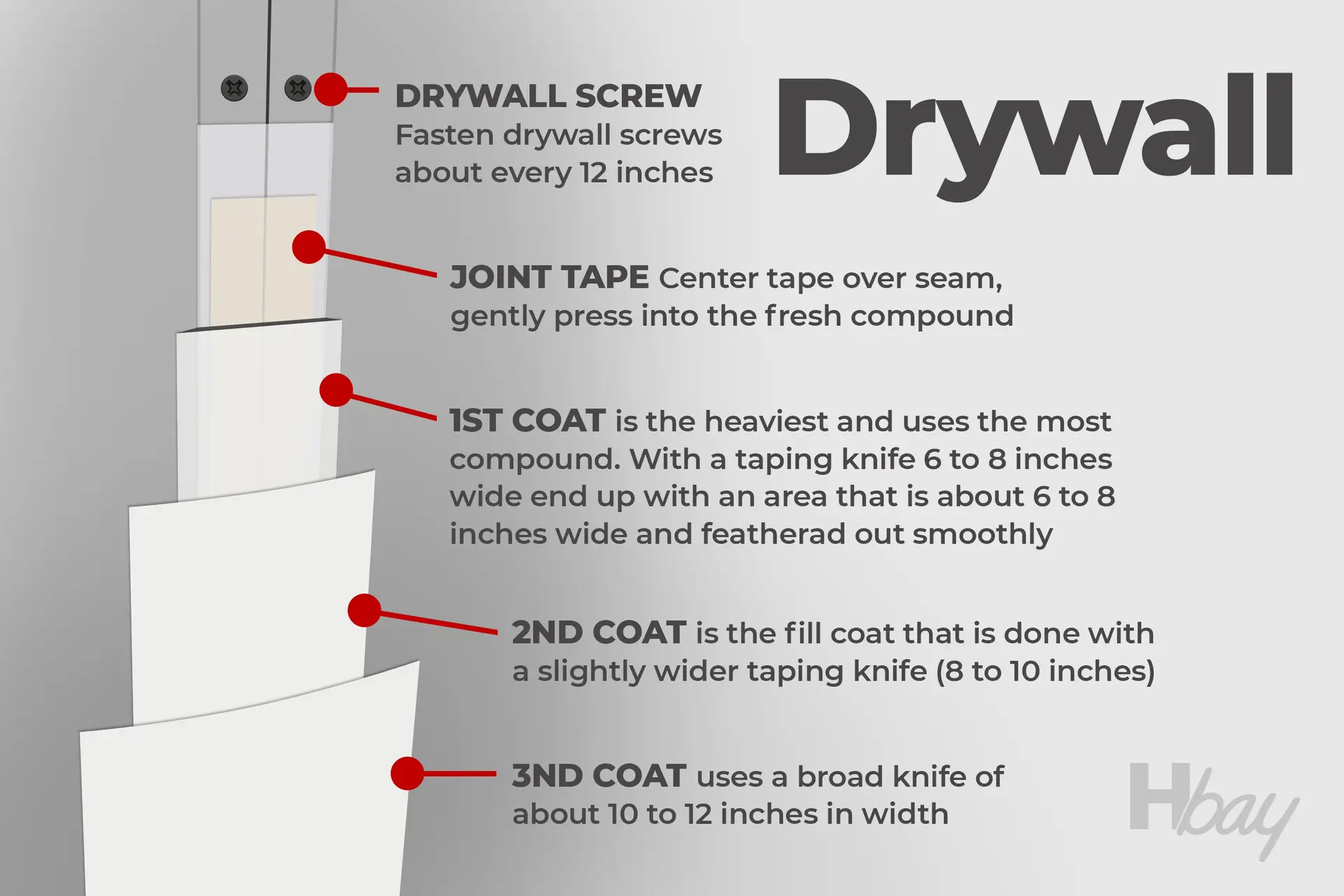
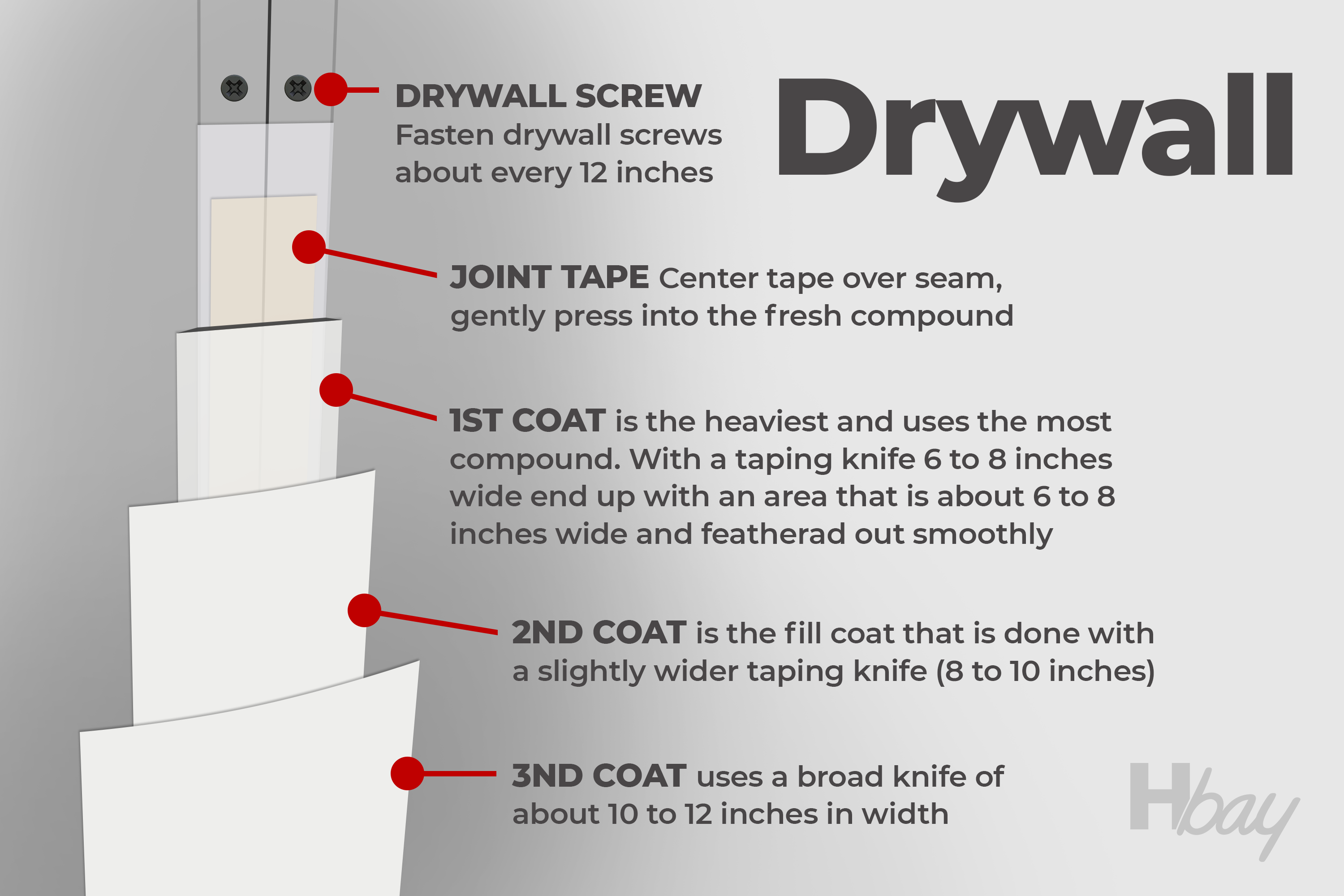
When it comes to drywall finishing, the number of coats of compound you’ll need depends on the condition of your walls and the desired outcome. In general, most professionals recommend applying three coats for a smooth and seamless finish. The first coat is a thin layer to fill in any gaps and seams, followed by two additional coats to build up the surface and achieve a smooth texture. However, some projects may require more coats, especially if there are significant imperfections. Remember to sand between each coat for best results!
How Many Coats of Drywall Compound Do I Need?
Drywall compound, also known as joint compound or mud, is an essential component in the process of finishing drywall installations. It is used to cover seams, joints, and nail or screw holes, creating a smooth and seamless surface. However, many people often wonder how many coats of drywall compound are necessary to achieve the desired result. In this article, we will explore the factors that influence the number of coats needed and provide helpful tips to ensure a professional finish for your drywall project.
Factors Affecting the Number of Coats
The number of coats of drywall compound required depends on several factors, including the condition of the drywall, the type of drywall compound used, and the desired level of finish. Let’s take a closer look at each of these factors.
Firstly, the condition of the drywall plays a significant role. If the drywall has been properly installed with minimal seams and imperfections, fewer coats may be needed. On the other hand, if the drywall has significant gaps or uneven surfaces, more coats of compound may be necessary to achieve a smooth finish.
Secondly, the type of drywall compound used can impact the number of coats required. There are different types of drywall compound available, such as lightweight, all-purpose, and setting-type compounds. Each type has its own drying time and coverage capacity, which can influence the number of coats needed for a satisfactory finish.
Lastly, the desired level of finish is an important consideration. Different levels of finish, ranging from level 0 to level 5, determine the smoothness and quality of the final surface. Higher levels of finish generally require more coats of compound to achieve the desired result.
Types of Drywall Compound
When it comes to choosing the right type of drywall compound, it’s essential to understand their characteristics and purposes. Let’s explore the different types of drywall compound and their specific uses.
-
Lightweight drywall compound: This type of compound is ideal for covering minor imperfections and providing a smooth finish. It is easier to work with due to its lighter weight, making it suitable for both taping and top coating.
-
All-purpose drywall compound: As the name suggests, this compound can be used for various applications, including taping, filling, and finishing. It offers good coverage and can be sanded easily.
-
Setting-type drywall compound: This compound sets and dries quickly, making it ideal for projects that require a faster turnaround time. It is commonly used for patching and repairing small areas.
-
Topping compound: Topping compound is specifically designed for the final coat or top layer of the finishing process. It has a smoother consistency and is easier to sand, resulting in a polished and refined surface.
Number of Coats for Different Levels of Finish
To achieve different levels of finish, the number of coats required varies. Here is a general guideline for the number of coats needed for each level of finish:
-
Level 0: This level involves only the application of drywall compound to cover joints and fasteners. Typically, one coat is sufficient.
-
Level 1: One additional coat is added to level 0, resulting in a total of two coats. The purpose is to provide a flat surface without any visible joints.
-
Level 2: In addition to the two coats from level 1, a third coat is applied to further conceal joints and fasteners. This level requires some sanding to create a smooth surface.
-
Level 3: Three coats are applied for level 3 finish. The third coat is applied wider than the previous coats to ensure complete coverage. Sanding is required to achieve a uniform and even surface.
-
Level 4: For level 4 finish, the fourth coat is added. This coat is thinner and wider than the previous coats, and extensive sanding is necessary to achieve a smooth and even texture.
-
Level 5: Level 5 finish involves an additional thin skim coat of compound, resulting in a total of five coats. This level requires the most extensive sanding and provides the highest quality finish.
Tips for Applying Drywall Compound
Now that we have discussed the factors influencing the number of coats and the different types of drywall compound, let’s explore some tips for applying drywall compound effectively:
-
Prepare the surface: Before applying any drywall compound, ensure that the surface is clean, dry, and free from dust or debris. This will allow the compound to adhere properly.
-
Use the right tools: Invest in high-quality drywall taping tools, such as a taping knife and a mud pan, to achieve a professional finish. These tools will help you apply the compound smoothly and evenly.
-
Apply thin coats: It is better to apply multiple thin coats of drywall compound rather than thick coats. Thin coats dry faster and are easier to sand, resulting in a smoother finish.
-
Feather the edges: When applying each coat of compound, feather the edges to blend them seamlessly with the surrounding areas. This technique helps to avoid visible lines or ridges.
-
Sand between coats: After each coat of compound has dried, use sandpaper to smooth out any imperfections or uneven surfaces. This step ensures a flawless finish.
-
Prime and paint: Once the desired number of coats has been applied and sanded, apply a primer to the drywall before painting. The primer helps to seal the surface and provides a better base for paint adhesion.
In conclusion, the number of coats of drywall compound required depends on the condition of the drywall, the type of compound used, and the desired level of finish. By understanding these factors and following the tips mentioned above, you can achieve a professional and flawless finish for your drywall project. Remember to choose the right type of compound, apply thin coats, and feather the edges to create a seamless surface. Happy drywalling!
Key Takeaways: How Many Coats of Drywall Compound Do I Need?
- Applying three coats of drywall compound is usually recommended for a smooth finish.
- Each coat should be applied thinly and allowed to dry completely before applying the next one.
- The first coat, called the tape coat, fills the gaps and covers the seams of the drywall tape.
- The second coat, known as the fill coat, helps to level the surface and hide any imperfections.
- The final coat, called the finish coat, is applied to achieve a smooth and ready-to-paint surface.
Frequently Asked Questions
What is drywall compound?
Drywall compound, also known as joint compound or mud, is a type of paste used in the installation and finishing of drywall. It is a mixture of gypsum powder, water, and various additives that help improve its workability and drying time. Drywall compound is used to fill in joints, seams, and imperfections on the surface of drywall, creating a smooth and seamless finish.
When applying drywall compound, it is important to choose the right type for your specific project. There are different types of drywall compound available, including lightweight and all-purpose compounds. Lightweight compounds are easier to work with and are ideal for thin coats, while all-purpose compounds can be used for both taping and finishing.
How many coats of drywall compound do I need?
The number of coats of drywall compound needed depends on the specific project and the desired level of finish. In general, most professionals recommend applying three coats of drywall compound for a smooth and seamless finish.
The first coat, also known as the tape coat, is used to embed the tape and cover the screws or nails. The second coat, known as the fill coat, is applied to fill in any gaps or imperfections left after the first coat. The third coat, called the finish coat, is the final coat that is applied to achieve a smooth and level surface.
Can I get away with fewer coats of drywall compound?
While it is possible to get away with fewer coats of drywall compound, it may result in a less smooth and seamless finish. Applying only one or two coats of drywall compound may not be sufficient to cover the joints, seams, and imperfections on the surface of the drywall, leading to a rough and uneven appearance.
To ensure a professional-looking finish, it is recommended to follow the standard practice of applying three coats of drywall compound. This will help achieve a smooth and level surface that is ready for painting or wallpapering.
Do I need to sand between coats of drywall compound?
Sanding between coats of drywall compound is an important step in achieving a smooth and seamless finish. After each coat of drywall compound has dried, it is recommended to lightly sand the surface using sandpaper or a sanding sponge. This helps remove any high spots, bumps, or imperfections, resulting in a smoother surface for the next coat of compound.
However, excessive sanding can remove too much compound, leading to a weak and uneven finish. It is best to use a light touch when sanding between coats and to avoid applying too much pressure. Remember to wipe away any dust or debris before applying the next coat of drywall compound.
How long does drywall compound take to dry?
The drying time of drywall compound can vary depending on various factors, such as humidity, temperature, and the type of compound used. In general, it can take anywhere from 24 to 48 hours for drywall compound to fully dry and cure.
It is important to allow each coat of drywall compound to dry completely before applying the next coat. Rushing the drying process can result in a weaker finish and may lead to cracks or other issues. It is recommended to follow the manufacturer’s instructions for the specific type of drywall compound being used to ensure proper drying and curing times.
How to Finish Drywall With Two or Three Coats : Drywall Work
Final Thought: How Many Coats of Drywall Compound Do You Really Need?
Let’s wrap up our discussion on how many coats of drywall compound you need with a final thought. When it comes to achieving a smooth and flawless finish on your drywall, the number of coats you apply can make a significant difference. While some professionals recommend applying three coats, others may find that two coats are sufficient. Ultimately, the number of coats depends on the condition of your walls and your desired level of perfection.
Remember, the purpose of using drywall compound is to fill in any imperfections, seams, and nail holes, creating a seamless surface for paint or wallpaper. If your walls have minor imperfections and you’re aiming for a textured or rustic look, two coats might be enough. However, if you want a pristine, smooth finish, an additional coat may be necessary to achieve that level of perfection.
Keep in mind that each coat of drywall compound should be applied thinly and evenly. This will prevent excess buildup and ensure a more professional result. Take your time and apply each coat carefully, allowing proper drying time between coats. And don’t forget to sand lightly before applying the final coat for an extra smooth finish.
In conclusion, the number of coats of drywall compound you need depends on the condition of your walls and the level of perfection you’re aiming for. Whether it’s two or three coats, the key is to apply them meticulously and allow proper drying time