

Renovation Notes
How Long Should A Roof Last?
When it comes to the longevity of your roof, one burning question often comes to mind: “How long should a roof last?” Your roof is not just a protective covering; it’s the crown jewel of your home, shielding you from the elements and adding curb appeal. But with so many factors at play, it’s important to understand the average lifespan of a roof and what you can do to maximize its durability. So, let’s dive into this topic and uncover the secrets behind a long-lasting roof.
Roofs are like superheroes, battling against the sun, wind, rain, and snow day in and day out. But just like any superhero, they have their limits. The lifespan of a roof can vary depending on several factors, including the type of material used, the quality of installation, climate conditions, and proper maintenance. So, if you’re wondering how long your roof should last, buckle up and get ready for an illuminating ride through the world of roofing. We’ll explore the different types of roofs, their average lifespans, and the key factors that can either extend or shorten their durability. By the end of this article, you’ll be equipped with the knowledge to make informed decisions about your roof and ensure it stands strong for years to come.
Roofs are a crucial component of any home, protecting it from the elements. The lifespan of a roof can vary depending on several factors. Typically, asphalt shingle roofs last around 20 to 30 years, while metal roofs can last 40 to 70 years. Factors like proper installation, maintenance, and climate can affect the longevity of a roof. Regular inspections and repairs can help extend its lifespan. Keep in mind that these are general estimates, and individual roofs may have different lifespans. It’s essential to consult with a professional to assess your specific roofing needs.
How Long Should a Roof Last?
The lifespan of a roof is an important consideration for homeowners. A well-maintained roof not only protects the structure of the house but also enhances its overall appearance. However, roofs do not last forever, and understanding their lifespan can help homeowners plan for necessary repairs or replacements. In this article, we will explore the factors that affect the longevity of a roof and provide insights into how long different roofing materials typically last.
Factors Affecting Roof Lifespan
Many factors can influence the lifespan of a roof. These include the type of roofing material, climate conditions, installation quality, and maintenance. Let’s delve deeper into each of these factors.
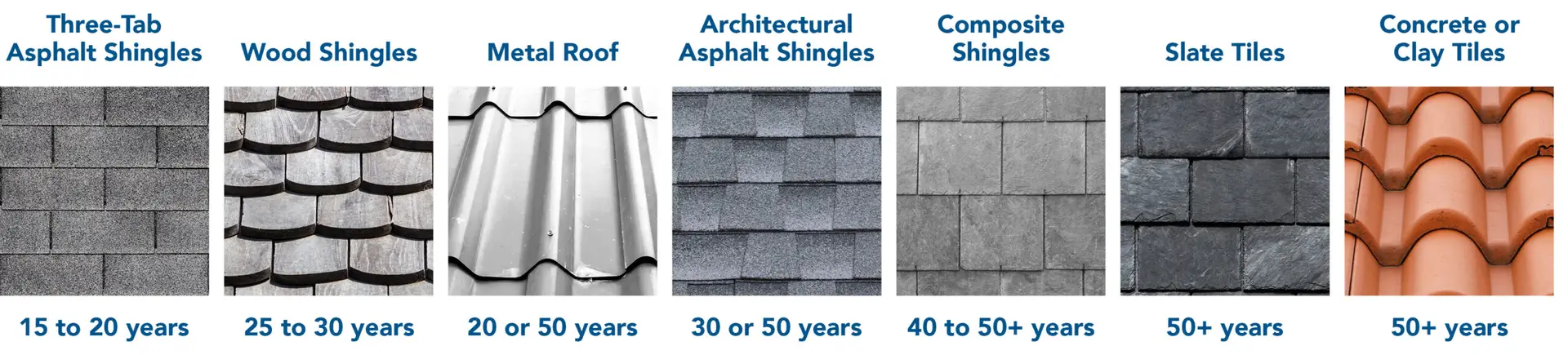
Roofing Material: The material used for your roof plays a significant role in determining its lifespan. Different materials have varying levels of durability and resistance to weathering. For example, asphalt shingles, which are commonly used in residential roofing, typically have a lifespan of 20 to 30 years. On the other hand, metal roofs can last up to 50 years or more. Understanding the characteristics of different roofing materials can help you make an informed decision when selecting a material for your roof.
Climate Conditions: The climate in which your home is located can greatly impact the lifespan of your roof. Extreme weather conditions, such as heavy rain, strong winds, hailstorms, or prolonged exposure to sunlight, can accelerate the wear and tear of roofing materials. For instance, in areas prone to hurricanes, roofs may need to withstand high winds and heavy rain. Roofing materials that are specifically designed to withstand such conditions, like impact-resistant shingles or metal roofs, are recommended in these areas.
Installation Quality: The quality of the roof installation is crucial for its longevity. A poorly installed roof can lead to premature damage and reduce its lifespan. It is essential to hire a professional roofing contractor who has experience and expertise in installing the specific type of roof you have chosen. Proper installation techniques, including ensuring proper ventilation and using the right underlayment, can significantly extend the lifespan of your roof.
Maintenance: Regular roof maintenance is essential to maximize its lifespan. Neglecting maintenance can lead to small issues becoming bigger problems over time. It is recommended to have your roof inspected at least once a year by a professional to identify any potential issues, such as damaged shingles, leaks, or clogged gutters. Promptly addressing these issues can prevent further damage and prolong the life of your roof.
Expected Lifespan of Different Roofing Materials
Now that we have discussed the factors influencing roof lifespan, let’s take a closer look at the expected lifespan of some commonly used roofing materials.
-
Asphalt Shingles: Asphalt shingles are the most popular roofing material due to their affordability and ease of installation. They typically last between 20 to 30 years. However, the lifespan can vary depending on the quality of the shingles and the climate conditions.
-
Metal Roofs: Metal roofs are known for their durability and longevity. They can last 50 years or more with proper maintenance. Metal roofs are highly resistant to weathering, making them an excellent choice for areas with harsh climates.
-
Clay or Concrete Tiles: Clay or concrete tiles are durable and can last up to 50 years or more. They are resistant to fire, insects, and rot. However, their weight requires proper structural support, and they may be more expensive to install compared to other roofing materials.
-
Wood Shingles or Shakes: Wood shingles or shakes have a lifespan of around 20 to 25 years. Regular maintenance is essential to prevent moss or rot from affecting the wood. Wood roofs provide a natural and aesthetically pleasing look but may require more upkeep compared to other materials.
-
Slate or Stone: Slate or stone roofs are known for their exceptional durability and can last 100 years or more. However, they are more expensive to install and require specialized installation techniques due to their weight.
-
Synthetic Roofing Materials: Synthetic roofing materials, such as synthetic slate or rubber shingles, can mimic the appearance of natural materials while offering improved durability and longevity. They can last up to 50 years or more depending on the specific material.
These are average lifespans, and individual roofs may experience variations based on factors such as maintenance, climate, and installation quality. Regular inspections and timely repairs can help extend the lifespan of any roofing material.
In conclusion, the lifespan of a roof depends on various factors, including the roofing material, climate conditions, installation quality, and maintenance. Understanding these factors can help homeowners make informed decisions when it comes to choosing a roofing material and planning for necessary repairs or replacements. Regular maintenance and inspections are key to maximizing the lifespan of any roof.
Key Takeaways: How Long Should a Roof Last?
- A well-maintained roof can last anywhere from 20 to 50 years.
- The lifespan of a roof depends on various factors, such as the roofing material used, climate conditions, and regular maintenance.
- Regular inspections and maintenance can help extend the lifespan of a roof.
- Roofs made of high-quality materials, like slate or metal, tend to last longer than roofs made of asphalt shingles.
- Extreme weather events, such as hurricanes or heavy snowfall, can significantly impact the lifespan of a roof.
Frequently Asked Questions
1. How long does the average roof last?
Roof lifespans can vary depending on several factors, such as the type of material used, climate conditions, and maintenance. On average, an asphalt shingle roof can last between 20 to 30 years. Metal roofs tend to have a longer lifespan, with an average of 40 to 70 years. Clay or concrete tile roofs can last up to 50 years or more. It’s important to note that these numbers are estimates and individual roofs may vary.
To ensure your roof lasts as long as possible, regular inspections and maintenance are crucial. Promptly addressing any issues, such as missing shingles or leaks, can help extend the lifespan of your roof.
2. What factors can affect the lifespan of a roof?
Several factors can impact how long a roof lasts. One of the main factors is the type of material used. Different roofing materials have varying levels of durability and resistance to weathering. Climate conditions also play a role, as extreme heat, cold, or frequent severe weather events can cause more wear and tear on a roof.
The quality of installation and regular maintenance also influence a roof’s lifespan. Poor installation or lack of proper maintenance can lead to premature deterioration. Additionally, factors like the roof’s slope, ventilation, and exposure to sunlight can all affect how long a roof lasts.
3. Can regular maintenance help extend the lifespan of a roof?
Regular maintenance is essential for prolonging the lifespan of a roof. It’s recommended to have your roof inspected at least once a year by a professional roofing contractor. They can identify any potential issues, such as damaged shingles or flashing, and address them before they worsen.
In addition to professional inspections, homeowners should also perform regular visual inspections themselves. Look for signs of damage, such as loose or missing shingles, sagging areas, or leaks. Keep gutters clean and remove any debris that may accumulate on the roof. Trim nearby tree branches to prevent them from rubbing against the roof and causing damage.
4. How can weather conditions impact the lifespan of a roof?
Weather conditions can have a significant impact on the lifespan of a roof. Exposure to excessive heat, UV rays, strong winds, heavy rain, and snow can all cause wear and tear over time. For example, prolonged exposure to UV rays can cause shingles to deteriorate and lose their protective granules.
Severe weather events, such as hurricanes or hailstorms, can also cause significant damage to a roof. Regular inspections and prompt repairs after extreme weather events are crucial for maintaining the integrity of the roof and ensuring its longevity.
5. When should I consider replacing my roof?
There are several signs that indicate it may be time to replace your roof. If your roof is approaching its expected lifespan and showing signs of deterioration, such as curling or cracked shingles, it’s a good idea to start planning for a replacement. Leaks, water stains on ceilings or walls, or mold growth are also indicators that your roof may need to be replaced.
If you notice an excessive number of missing shingles or significant damage from a severe weather event, it’s best to consult with a professional roofer to assess whether a replacement is necessary. They can provide expert advice based on the condition of your roof and recommend the best course of action.
How Long Does A Roof Last? (Homeowners Guide)
Final Summary: How Long Should a Roof Last?
So, there you have it! We’ve delved into the fascinating world of roof longevity and discovered the factors that affect how long a roof should last. From the type of material used to the quality of installation, various elements come into play. However, one thing remains clear: proper maintenance and regular inspections are key to ensuring the longevity of your roof.
Remember, a well-maintained roof can last anywhere from 20 to 50 years or even longer, depending on the materials used. Factors such as climate, exposure to harsh elements, and the quality of installation play a significant role in determining its lifespan. By staying proactive and addressing any issues promptly, you can extend the life of your roof and save yourself from costly repairs down the road.
In conclusion, while there isn’t a one-size-fits-all answer to how long a roof should last, taking the necessary steps to care for your roof will greatly impact its longevity. So, keep an eye on your roof, schedule regular inspections, and address any issues as soon as they arise. With proper maintenance, your roof will not only protect your home but also stand strong for many years to come.