

Renovation Notes
How Long Does Siding Last?
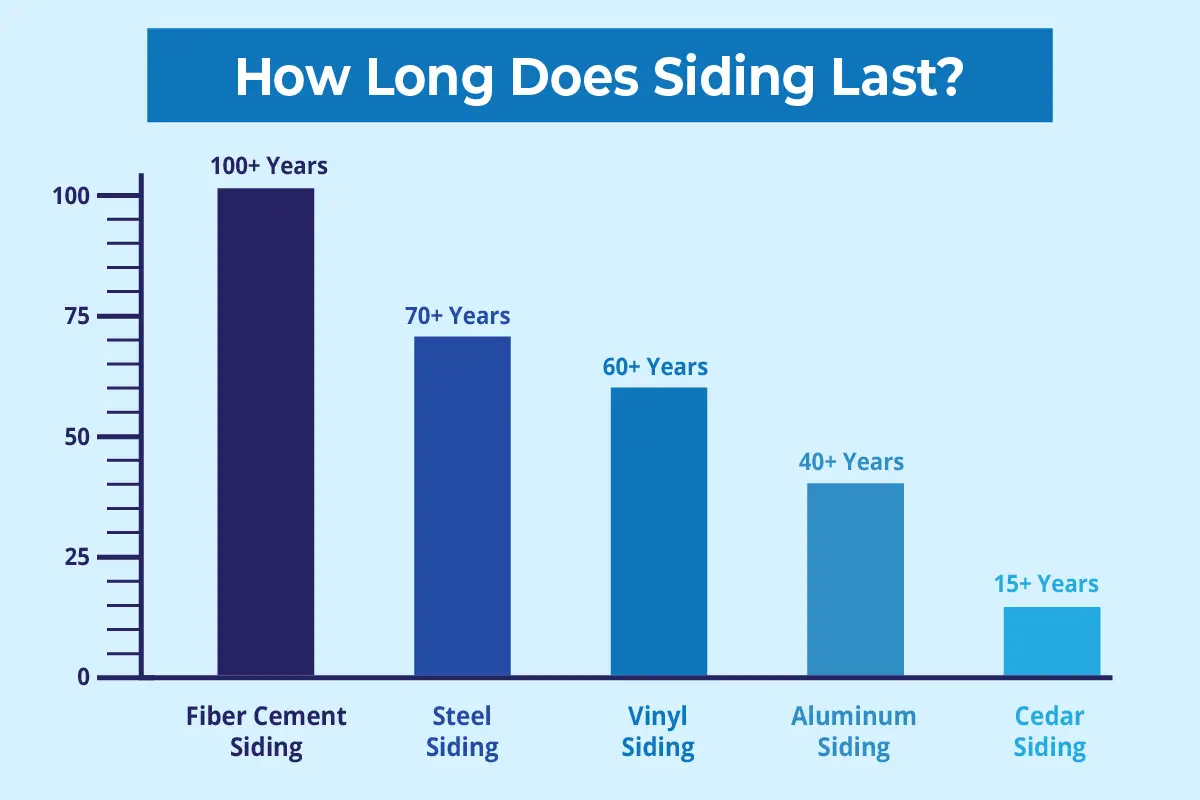
Want to know how long your siding will last? Well, you’ve come to the right place! In this article, we’ll dive deep into the world of siding and explore the factors that contribute to its lifespan. So, buckle up and get ready to learn everything you need to know about how long siding can stand the test of time.
When it comes to home exteriors, siding plays a crucial role in protecting your house from the elements. It shields your home from rain, wind, and even the scorching sun. But how long can you expect your siding to last before it starts showing signs of wear and tear? That’s the burning question we’re here to answer. Whether you have vinyl, wood, fiber cement, or any other type of siding, we’ll break down the average lifespan and provide tips on how to prolong its durability. So, if you’re curious about the lifespan of your siding, stick around as we unravel this mystery.
Siding is a crucial part of a home’s exterior, providing protection and adding beauty. So, how long does siding last? On average, siding can last anywhere between 20 to 40 years, depending on the material used. Vinyl siding, for instance, is known to have a lifespan of around 20 to 30 years, while fiber cement siding can last up to 40 years or more. Regular maintenance and proper installation can significantly extend the lifespan of your siding. Remember to clean, inspect, and repair any damages to ensure its longevity.
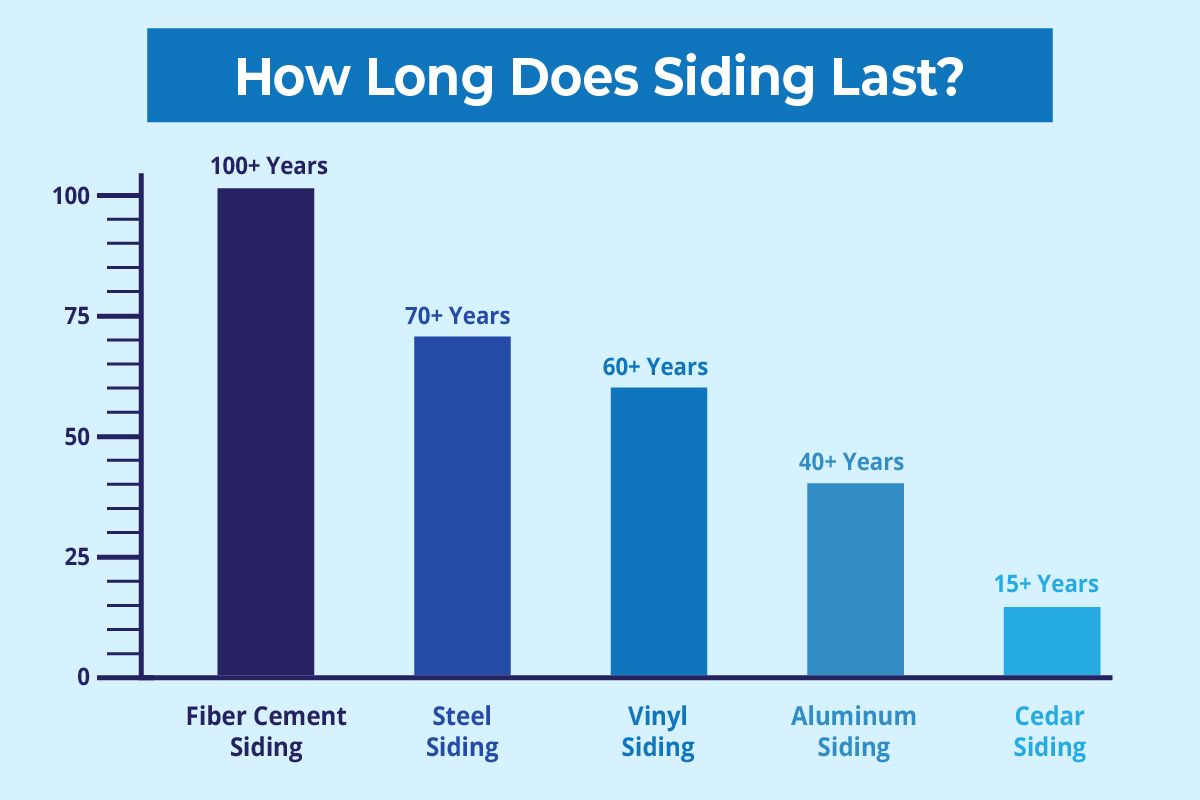
How Long Does Siding Last?
When it comes to the longevity of your home’s siding, it’s important to consider a few key factors. Siding is designed to protect your home from the elements and enhance its curb appeal. However, like any exterior material, siding will eventually wear down over time. This article will explore the average lifespan of different types of siding, factors that can affect its longevity, and tips for maintaining and extending the lifespan of your siding.
Factors Affecting Siding Longevity
Several factors can impact how long your siding will last. The type of material used is one of the most significant factors. Different materials have varying levels of durability and resistance to weathering. Additionally, the climate in which you live can play a role in how long your siding will last. Harsh weather conditions, such as extreme heat, cold, or heavy rainfall, can accelerate the aging process of your siding. Proper installation and regular maintenance also contribute to the overall lifespan of your siding.
Another important factor to consider is the quality of the siding itself. Higher-quality materials tend to have a longer lifespan compared to lower-quality options. Investing in high-quality siding can save you money in the long run by reducing the need for frequent repairs or replacement. Additionally, the color of your siding can impact its longevity. Dark-colored siding tends to absorb more heat, which can cause the material to expand and contract, leading to premature wear and tear.
Types of Siding and Their Lifespan
The lifespan of siding varies depending on the material used. Here are some common types of siding and their average lifespans:
1. Vinyl Siding
Vinyl siding is a popular choice for its affordability and low maintenance requirements. On average, vinyl siding can last between 20 to 40 years. However, the quality of the vinyl and the installation process can impact its lifespan.
2. Fiber Cement Siding
Fiber cement siding is known for its durability and resistance to rot, pests, and fire. With proper maintenance, fiber cement siding can last between 30 to 50 years. Regular painting or resealing may be required to extend its lifespan.
3. Wood Siding
Wood siding offers a classic and natural look to homes. However, it requires regular maintenance to prevent rot, insect damage, and moisture-related issues. With proper care, wood siding can last between 20 to 40 years.
4. Aluminum Siding
Aluminum siding is lightweight, durable, and resistant to rust and rot. It can last between 20 to 40 years with proper maintenance and occasional repainting.
5. Stucco Siding
Stucco siding is a popular choice for its durability and energy efficiency. When properly installed and maintained, stucco siding can last between 50 to 80 years.
Maintaining and Extending Siding Lifespan
While the lifespan of your siding will inevitably be influenced by various factors, there are steps you can take to maintain and extend its longevity:
-
Regular Cleaning: Keep your siding clean by washing it annually with a mild detergent and water. This helps remove dirt, debris, and mold that can cause damage over time.
-
Inspect for Damage: Regularly inspect your siding for any signs of damage, such as cracks, loose panels, or rot. Promptly address any issues to prevent further deterioration.
-
Trim Trees and Shrubs: Overhanging branches and shrubs can cause moisture buildup and potential damage to your siding. Trim them regularly to prevent contact with the siding.
-
Repaint or Re-Seal: If you have painted or sealed siding, periodically repaint or reseal it to protect against moisture and UV damage.
-
Address Moisture Issues: Ensure proper drainage around your home to prevent water from seeping into the siding. Fix any leaks or gaps in the exterior to prevent moisture-related damage.
By following these maintenance tips and addressing any issues promptly, you can help extend the lifespan of your siding and keep your home looking beautiful for years to come.
Key Takeaways: How Long Does Siding Last?
- Siding typically lasts between 20 to 40 years, depending on the material and maintenance.
- Regular cleaning and maintenance can help extend the lifespan of siding.
- Vinyl siding is known to last for about 30 to 40 years.
- Fiber cement siding can last up to 50 years or more.
- Wood siding requires more maintenance and may last between 20 to 30 years.
Frequently Asked Questions
How long does siding typically last?
Siding is designed to be durable and long-lasting, providing protection and aesthetic appeal to your home for many years. The lifespan of siding can vary depending on the material used, maintenance practices, and environmental factors. However, most siding materials have an average lifespan of 20 to 40 years.
Vinyl siding, for example, is known for its longevity and can last up to 30 years or more with proper care. Fiber cement siding is also highly durable and can last between 30 to 50 years. Wood siding, on the other hand, may require more maintenance but can still last around 20 to 30 years.
What factors can affect the lifespan of siding?
Several factors can impact the lifespan of siding. One of the main factors is the quality of the material used. Higher-quality siding materials are often more durable and can withstand harsh weather conditions and other external factors for a longer period of time.
Maintenance practices also play a crucial role. Regular cleaning, inspection, and repairs can help prolong the lifespan of siding. Neglecting maintenance tasks can lead to issues such as mold growth, water damage, and deterioration, which can significantly reduce the lifespan of siding.
How can I extend the lifespan of my siding?
There are several ways to extend the lifespan of your siding. Regular cleaning is essential to remove dirt, debris, and mold that can accumulate over time. Use a soft brush or a pressure washer on a low setting to avoid damaging the siding.
Inspect your siding annually for any signs of damage, such as cracks, warping, or loose panels. Promptly repair any issues to prevent further damage. Additionally, consider applying a protective coating or paint to enhance the durability of your siding and provide an extra layer of protection against the elements.
Can siding be repaired or does it need to be replaced entirely?
In many cases, siding can be repaired rather than replaced entirely. Small cracks, dents, or isolated areas of damage can often be fixed without the need for a full replacement. However, if the damage is extensive or the siding has reached the end of its lifespan, it may be more cost-effective to replace the siding altogether.
It is recommended to consult with a professional siding contractor to assess the extent of the damage and determine the best course of action. They can provide expert advice on whether repair or replacement is the most suitable option for your specific situation.
What are some signs that siding needs to be replaced?
There are several signs that indicate it may be time to replace your siding. One of the most obvious signs is visible damage, such as cracks, warping, or rotting. If these issues are widespread or affecting a large portion of the siding, replacement may be necessary.
Other signs include excessive fading or discoloration, mold or mildew growth, and high energy bills. If you notice a significant increase in your energy costs or experience difficulty maintaining a comfortable indoor temperature, it could be a sign that your siding is no longer providing adequate insulation and needs to be replaced.
how long does house siding last?
Final Thoughts
So, what’s the verdict on how long siding lasts? Well, it all comes down to the type of siding you choose and how well you maintain it. While there are many factors that can affect the lifespan of siding, on average, most types of siding can last anywhere from 20 to 40 years.
However, it’s important to note that this is just a general estimate and there are several factors that can impact the longevity of your siding. Factors such as weather conditions, maintenance practices, and the quality of the installation can all play a role in how long your siding will last.
To ensure that your siding stands the test of time, it’s crucial to choose a high-quality material and have it installed by a professional. Additionally, regular maintenance such as cleaning, inspecting for damage, and making repairs as needed will help prolong the lifespan of your siding. By taking these steps, you can enjoy the beauty and protection of your siding for many years to come.
Remember, investing in durable and well-maintained siding not only adds value to your home but also enhances its curb appeal. So, whether you opt for vinyl, fiber cement, or any other type of siding, make sure to give it the care it deserves. Your siding will thank you by lasting for decades and keeping your home looking its best.