

Renovation Notes
How Long Do Replacement Windows Last?
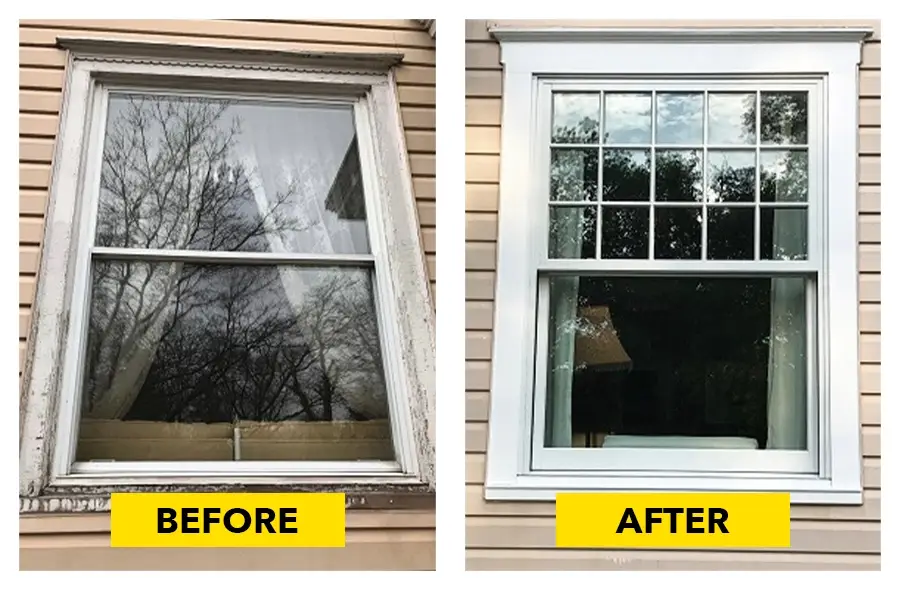
If you’ve ever wondered how long replacement windows last, you’re in the right place! We’re here to shed some light on this commonly asked question. Whether you’re considering replacing your old windows or just curious about the lifespan of these home essentials, we’ve got you covered. So, grab a cup of coffee and let’s dive into the fascinating world of replacement windows!
When it comes to the durability and longevity of replacement windows, there are a few factors to consider. From the materials used to the quality of installation, these elements can greatly impact the lifespan of your windows. So, how long can you expect replacement windows to last? Well, the answer isn’t set in stone, but on average, they can last anywhere from 20 to 40 years! That’s quite impressive, isn’t it? However, it’s important to note that this estimate can vary depending on various factors such as maintenance, climate conditions, and the specific type of windows you choose. But don’t worry, we’ll explore all of these aspects and more as we delve deeper into the world of replacement windows. So, let’s get started and uncover the secrets behind their impressive lifespan!
Replacement windows can last anywhere from 15 to 30 years, depending on various factors. Factors such as the quality of the windows, the materials used, and the climate conditions they are exposed to can all impact their lifespan. With proper care and maintenance, you can maximize the lifespan of your replacement windows. Regular cleaning, lubricating hardware, and inspecting for any damage or wear are essential. Additionally, ensuring proper installation by experienced professionals can also contribute to the longevity of your replacement windows.
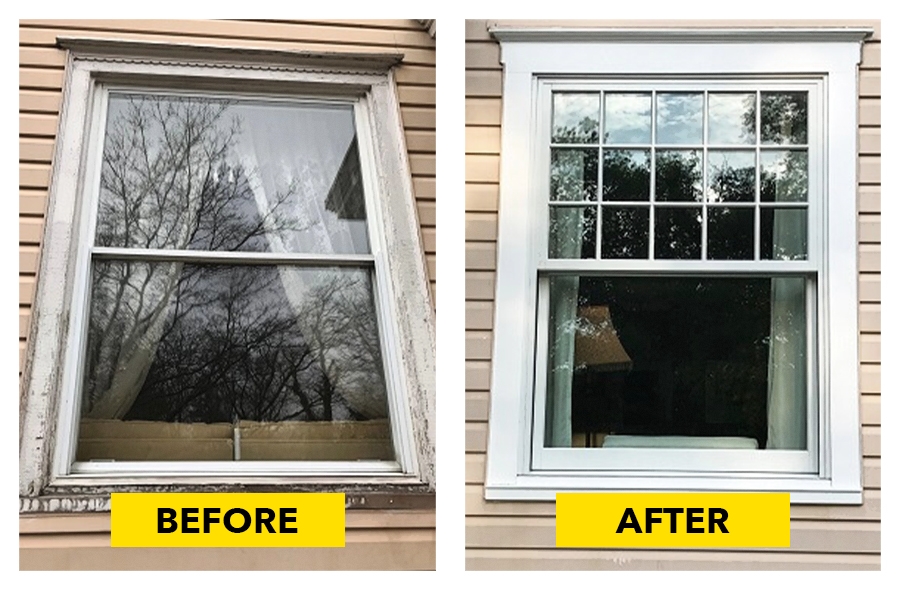
How Long Do Replacement Windows Last?
Replacement windows are a significant investment for homeowners, so it’s important to understand how long they typically last. The lifespan of replacement windows can vary depending on various factors, including the quality of the windows, the installation process, and maintenance. In this article, we will explore the average lifespan of replacement windows and factors that can influence their durability.
Factors Affecting the Lifespan of Replacement Windows
Several factors can impact the lifespan of replacement windows. Here are some key considerations:
Window Material
The material of the windows plays a crucial role in determining their longevity. Common window materials include vinyl, wood, aluminum, and fiberglass. Each material has its own pros and cons in terms of durability. Vinyl windows, for example, are known for their longevity and low maintenance requirements. Wood windows, on the other hand, require regular maintenance to prevent rot and decay.
Proper maintenance and regular cleaning can significantly extend the lifespan of replacement windows, regardless of the material.
Window Quality
The quality of the replacement windows is another important factor to consider. High-quality windows are built to withstand the elements and are less likely to deteriorate over time. They often come with warranties that guarantee their performance for a certain period, giving homeowners peace of mind.
When considering replacement windows, it’s essential to choose reputable manufacturers and suppliers known for their quality products.
How Long Do Replacement Windows Typically Last?
The average lifespan of replacement windows can range from 15 to 40 years, depending on the factors mentioned above. However, some windows can last even longer with proper care and maintenance.
Vinyl windows, for instance, have an average lifespan of 20 to 40 years, while wood windows can last around 30 years. Aluminum and fiberglass windows generally have a lifespan of 20 to 30 years.
It’s important to note that these are general estimates, and individual windows may have different lifespans based on their quality, installation, and maintenance.
Signs It’s Time to Replace Your Windows
While the lifespan of replacement windows can vary, there are certain signs that indicate it’s time for a replacement:
Visible Damage
If your windows show signs of visible damage, such as cracks, warping, or rot, it’s a clear indication that they need to be replaced. Damaged windows can compromise the energy efficiency and security of your home.
If you notice condensation between the window panes, it could indicate a broken seal, which affects the insulation properties of the window.
Increased Energy Bills
If your energy bills have been steadily increasing, it could be a sign that your windows are no longer providing adequate insulation. Old and inefficient windows can allow drafts and air leaks, causing your HVAC system to work harder and your energy bills to rise.
Upgrading to energy-efficient replacement windows can help reduce energy consumption and lower utility costs.
Benefits of Replacement Windows
Investing in replacement windows offers several benefits:
Improved Energy Efficiency
Modern replacement windows are designed with energy efficiency in mind. They often feature double or triple glazing, low-emissivity coatings, and insulated frames, which help prevent heat transfer and improve insulation. This can lead to reduced energy consumption and lower heating and cooling costs.
Enhanced Curb Appeal
Replacing your windows can give your home’s exterior a fresh, updated look. There are various window styles and designs available to suit different architectural styles and personal preferences.
Upgrading your windows can also increase the value of your home, making it more attractive to potential buyers if you decide to sell in the future.
Tips for Extending the Lifespan of Replacement Windows
To maximize the lifespan of your replacement windows, consider the following tips:
Regular Cleaning
Regularly clean your windows to remove dirt, dust, and debris. Use mild, non-abrasive cleaners and avoid harsh chemicals that can damage the window material or coatings.
Proper Maintenance
Follow the manufacturer’s recommendations for maintenance, which may include lubricating moving parts, tightening hardware, and inspecting weatherstripping. Address any issues promptly to prevent further damage.
Protect Your Windows
Take precautions to protect your windows from extreme weather conditions, such as installing storm windows or shutters. This can help minimize the impact of strong winds, heavy rain, or hail.
Regularly check and repair any weatherstripping or seals to ensure they are intact and effective.
Professional Inspection
Consider scheduling professional inspections of your windows every few years. Window experts can identify potential issues early on and provide recommendations for maintenance or repairs.
Conclusion
Replacement windows can last anywhere from 15 to 40 years, depending on several factors, including material, quality, and maintenance. Proper care and regular cleaning can significantly extend the lifespan of replacement windows, ensuring they provide optimal performance and energy efficiency. By investing in high-quality windows and following maintenance guidelines, homeowners can enjoy the benefits of replacement windows for many years to come.
Key Takeaways: How Long Do Replacement Windows Last?
- Replacement windows can last anywhere from 20 to 40 years, depending on various factors.
- The quality of the materials used and the installation process are crucial for the longevity of replacement windows.
- Regular maintenance, such as cleaning and lubricating, can extend the lifespan of replacement windows.
- Harsh weather conditions and exposure to sunlight can affect the durability of replacement windows.
- Upgrading to energy-efficient replacement windows can not only save money on utility bills but also increase their lifespan.
Frequently Asked Questions
What factors affect the lifespan of replacement windows?
Several factors can influence the lifespan of replacement windows. First and foremost, the quality of the windows themselves plays a significant role. High-quality windows made from durable materials tend to last longer than cheaper alternatives. Additionally, proper installation is crucial for maximizing the lifespan of replacement windows. Poor installation can lead to issues such as air leaks, which can cause the windows to deteriorate faster. Lastly, regular maintenance and care can also impact how long replacement windows last. Routine cleaning and inspections can help identify and address any potential problems before they worsen.
Overall, the lifespan of replacement windows can vary depending on these factors. However, with proper installation, high-quality materials, and regular maintenance, replacement windows can last for several decades.
How long do typical replacement windows last?
The lifespan of replacement windows can vary depending on the materials used and the level of care they receive. On average, well-maintained replacement windows can last anywhere from 20 to 40 years. However, it’s essential to note that this is a general estimate, and individual circumstances may differ. Some factors, such as extreme weather conditions or poor installation, can shorten the lifespan of windows.
To ensure your replacement windows last as long as possible, it’s crucial to invest in high-quality materials and professional installation. Regular cleaning and maintenance, such as lubricating moving parts and inspecting for any signs of damage, can also help extend the lifespan of your windows.
Are there any signs that indicate replacement windows need to be replaced?
While replacement windows are designed to be durable and long-lasting, there are signs that may indicate the need for replacement. One common indicator is visible damage, such as cracks, warping, or rotting. If you notice any of these issues, it’s essential to address them promptly to prevent further damage.
If your windows are no longer functioning correctly, such as difficulty opening or closing, it may be time to consider replacement. High energy bills can also be a sign that your windows are no longer effectively insulating your home, and replacement may be necessary. Ultimately, if you have concerns about the condition or performance of your windows, it’s best to consult with a professional to determine if replacement is the best course of action.
Can replacement windows improve energy efficiency?
Yes, replacement windows can significantly improve energy efficiency in your home. Older windows often lack the insulation and sealing capabilities of modern replacement windows, leading to energy loss. With advancements in window technology, replacement windows now offer improved insulation, reducing drafts and heat transfer.
Energy-efficient replacement windows often feature multiple panes of glass, low-emissivity coatings, and insulated frames. These features help to minimize heat loss during the winter and heat gain during the summer. By upgrading to energy-efficient replacement windows, you can potentially lower your energy bills and create a more comfortable living environment.
What are some benefits of replacing windows before they reach the end of their lifespan?
While replacement windows can last for many years, there are benefits to replacing them before they reach the end of their lifespan. One significant advantage is improved energy efficiency. Newer windows are designed with better insulation, which can result in lower energy bills and increased comfort.
Replacing windows before they fail can also prevent potential issues such as air leaks, water damage, and mold growth. By staying proactive and replacing windows before significant problems arise, you can save yourself from costly repairs down the line.
Replacing windows can enhance the aesthetic appeal of your home. With a wide range of styles and designs available, new windows can give your home a fresh, updated look. Additionally, replacement windows often come with improved security features, providing you with added peace of mind.
How Long does a Replacement Window Last? | Energy Pro
Final Thoughts
So, how long do replacement windows actually last? Well, the answer isn’t as straightforward as you might think. It depends on various factors such as the quality of the windows, the materials used, and the level of maintenance they receive. However, on average, replacement windows can last anywhere from 20 to 40 years.
But don’t let these numbers discourage you! With proper care and maintenance, you can extend the lifespan of your replacement windows even further. Regular cleaning, lubricating hinges and tracks, and checking for any signs of damage or wear can help ensure that your windows continue to perform optimally for many years to come.
Remember, investing in high-quality replacement windows is key. Not only will they provide better energy efficiency and insulation, but they are also built to withstand the test of time. So, when the time comes to replace your windows, make sure to choose a reputable manufacturer and installer to guarantee the longevity and durability of your investment.
In conclusion, while there isn’t a definitive lifespan for replacement windows, you can maximize their durability by selecting quality materials, providing proper maintenance, and choosing a reliable installation team. By doing so, you can enjoy the benefits of your replacement windows for decades and enhance the overall comfort and energy efficiency of your home. So, go ahead and make that window upgrade with confidence, knowing that it’s an investment that will last for years to come.