

Renovation Notes
How Do I Remove Mold From Drywall?
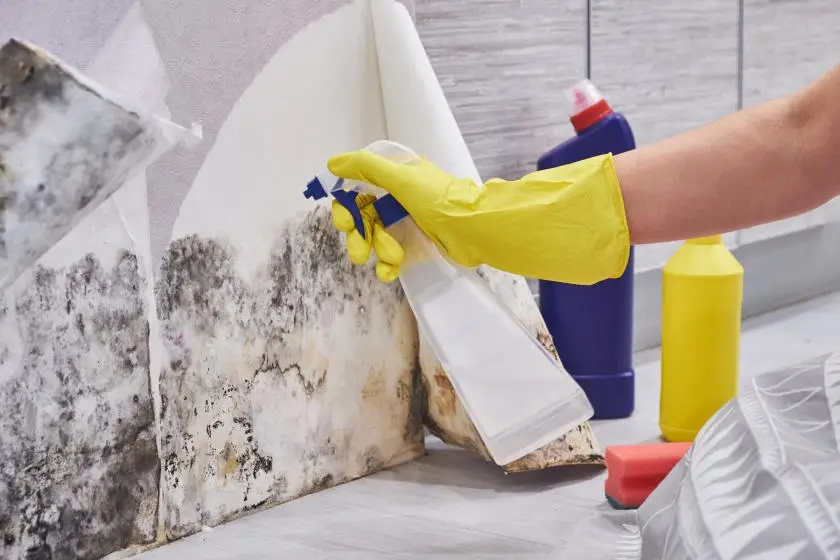
Got a mold problem on your drywall? Don’t worry, I’ve got you covered! In this article, we’ll dive into the nitty-gritty of removing mold from drywall and bring back that fresh and clean look you’ve been missing. Mold can be a pesky intruder, but with the right knowledge and techniques, you’ll be able to bid it farewell for good. So, let’s roll up our sleeves and get ready to tackle that mold head-on!
When it comes to mold on drywall, prevention is always better than cure. But if you find yourself already facing a moldy situation, fear not! I’ll guide you through the steps of removing mold from drywall effectively and safely. From identifying the source of the problem to implementing the right cleaning methods, we’ll cover it all. So, grab your gloves and let’s get down to business! But before we jump right in, let’s understand the importance of addressing mold growth promptly and the potential risks it poses to your health and home. Together, we’ll make that mold disappear in no time!
How to Remove Mold from Drywall: A Step-by-Step Guide
If you’re dealing with mold on your drywall, here’s a simple and effective method to remove it. First, put on protective gear such as gloves and a mask. Next, mix equal parts water and bleach in a spray bottle. Spray the affected area and let it sit for 15 minutes. Then, scrub the mold gently using a brush. Rinse the area with clean water and dry it thoroughly. Finally, dispose of the contaminated materials properly. Remember to address the underlying moisture issue to prevent future mold growth.

How Do I Remove Mold from Drywall?
Mold growth on drywall can be a common problem in many homes. Not only is it unsightly, but it can also pose health risks. If you’ve discovered mold on your drywall, it’s important to take immediate action to remove it and prevent further growth. In this article, we will explore effective methods to remove mold from drywall and provide tips to prevent its recurrence.
Identifying the Mold
When dealing with mold on drywall, it’s crucial to first identify the type of mold you’re dealing with. This will help determine the best course of action for removal. Common types of mold found on drywall include black mold (Stachybotrys chartarum), green mold (Aspergillus), and white mold (Penicillium). Each type requires different removal methods, so it’s important to accurately identify the mold before proceeding.
If you’re unsure about the type of mold, you can consult a professional mold inspector who can perform tests to determine the exact species. They will also assess the extent of the mold growth and provide recommendations for removal.
Protective Measures
Before you begin the mold removal process, it’s important to take necessary precautions to protect yourself and prevent the mold from spreading. Mold spores can become airborne during the removal process, leading to respiratory issues and other health problems. Here are some essential protective measures to follow:
- Wear protective clothing, including gloves, goggles, and a mask with an N95 respirator to filter out mold spores.
- Seal off the affected area with plastic sheets to prevent the spread of mold spores to other parts of your home.
- Turn off HVAC systems to avoid circulating mold spores throughout the house.
- Open windows and use fans to improve ventilation and help remove mold spores from the area.
Removing Mold from Drywall
Once you’ve taken the necessary protective measures, it’s time to start removing the mold from your drywall. The method you choose will depend on the extent of the mold growth and the type of mold present. Here are some effective methods to consider:
Method 1: Scrubbing with Detergent
If the mold growth is minimal and the drywall is non-porous, scrubbing with a detergent solution can be an effective method. Follow these steps:
- Prepare a solution of warm water and mild detergent.
- Dip a scrub brush or sponge into the solution and gently scrub the affected area.
- Rinse the area with clean water and dry thoroughly.
- Dispose of any materials used in the cleaning process to prevent recontamination.
Method 2: Using a Bleach Solution
For more extensive mold growth or porous drywall, a bleach solution can be used to effectively remove the mold. Follow these steps:
- Mix one part bleach with three parts water in a spray bottle.
- Spray the solution onto the mold-infested area and let it sit for 15 minutes.
- Scrub the area with a brush or sponge to remove the mold.
- Rinse the area with clean water and dry thoroughly.
Preventing Mold Growth
Removing mold from drywall is only the first step. To prevent its recurrence, it’s important to address the underlying causes of mold growth. Here are some preventive measures to consider:
Proper Ventilation
Ensure good airflow and ventilation in your home to prevent moisture buildup. Use exhaust fans in bathrooms and kitchens, and open windows regularly to allow fresh air to circulate.
Manage Humidity Levels
Maintain indoor humidity levels below 50% to discourage mold growth. Use dehumidifiers if necessary, especially in basements or areas prone to high humidity.
Fix Leaks and Moisture Issues
Promptly repair any leaks or water damage in your home, as these can lead to mold growth. Address any plumbing issues, roof leaks, or condensation problems to prevent moisture from accumulating.
Inspect and Maintain Drywall
Regularly inspect your drywall for signs of moisture or mold growth. Promptly address any issues to prevent further damage.
Proper Insulation
Ensure proper insulation in your home to prevent condensation on walls and ceilings. This can help reduce the risk of mold growth.
By following these tips and taking immediate action to remove mold from drywall, you can effectively eliminate the problem and create a healthier living environment. Remember to always prioritize safety and consult professionals if needed.
Key Takeaways: How to Remove Mold from Drywall
- Identify the source of moisture causing the mold growth.
- Wear protective gear, such as gloves and a mask, before starting the removal process.
- Use a mixture of bleach and water to clean the mold off the drywall surface.
- Scrub the affected area gently with a brush to remove the mold stains.
- Allow the drywall to dry completely before repainting or applying a mold-resistant primer.
Frequently Asked Questions
What are the steps to remove mold from drywall?
To remove mold from drywall, you will need to follow a series of steps. First, make sure to wear protective gear such as gloves, goggles, and a mask to prevent any exposure to mold spores. Next, isolate the affected area by closing off the room and covering any openings with plastic sheets. This will prevent the spread of mold spores to other areas of your home.
Once you have taken the necessary precautions, use a mixture of water and detergent to scrub the mold off the drywall. Make sure to scrub gently to avoid damaging the surface. If the mold stains persist, you can also use a mixture of bleach and water, but be sure to follow the instructions carefully and ventilate the area properly. After cleaning, thoroughly dry the area to prevent any future mold growth.
Can I remove mold from drywall myself or should I hire a professional?
Removing mold from drywall can be a DIY project if the affected area is small and the mold growth is not extensive. However, if you have a large area of mold or if you are dealing with toxic black mold, it is recommended to hire a professional mold remediation company. They have the expertise and equipment to safely remove the mold and ensure that it does not return.
If you have any health concerns or if you are unsure about the extent of the mold damage, it is best to consult with a professional. They can assess the situation and provide you with the appropriate guidance and solutions.
What products can I use to remove mold from drywall?
There are several products that can be used to remove mold from drywall. One common option is a mixture of water and detergent, which can be effective in removing surface mold. Simply mix a small amount of detergent with water and use a sponge or cloth to scrub the mold off the drywall. Rinse the area with clean water and dry thoroughly.
If the mold stains persist, you can also use a mixture of bleach and water. However, it is important to use caution when working with bleach, as it can be harmful if not used properly. Follow the instructions on the bleach bottle, wear protective gear, and ensure proper ventilation in the area.
What are some preventive measures to avoid mold growth on drywall?
To prevent mold growth on drywall, it is important to control moisture levels in your home. Keep humidity levels low by using dehumidifiers or air conditioners, especially in areas prone to moisture such as bathrooms and basements. Ensure proper ventilation by using exhaust fans in kitchens and bathrooms, and opening windows to allow fresh air circulation.
Regularly inspect your home for any leaks or water damage, and promptly address any issues. Dry any wet surfaces or materials within 24-48 hours to prevent mold growth. Additionally, it is recommended to use mold-resistant drywall or paint in areas with higher moisture levels.
What should I do if I discover mold behind drywall?
If you discover mold behind drywall, it is important to take immediate action. First, ensure your safety by wearing protective gear and isolating the affected area. Next, you may need to remove the drywall to properly address the mold growth. This can be a complex task, so it is recommended to hire a professional mold remediation company.
A professional will have the knowledge and expertise to safely remove the mold, clean the area, and prevent any further spread of mold spores. They can also identify the source of the moisture that caused the mold growth and provide solutions to prevent future mold problems.
How To Remove Mold From Walls (Drywall)
Final Thoughts on Removing Mold from Drywall
Finally, we’ve reached the end of our journey on how to remove mold from drywall. It’s been a whirlwind of information, but fear not, because armed with the knowledge and tips we’ve discussed, you’ll be well-equipped to tackle this pesky problem head-on. Remember, prevention is key, so be sure to address any moisture issues in your home to avoid future mold growth.
When it comes to removing mold from drywall, safety should always be your top priority. Don’t forget to wear protective gear such as gloves, goggles, and a mask to shield yourself from harmful spores. Start by isolating the affected area, removing any loose mold, and then proceed with cleaning using a suitable solution like a mixture of bleach and water or a commercial mold remover. Remember to thoroughly dry the area afterward to prevent further moisture buildup.
In conclusion, removing mold from drywall may seem like a daunting task, but with the right knowledge and precautions, it can be successfully accomplished. By taking proactive measures to prevent mold growth and addressing any issues promptly, you’ll be able to maintain a healthy and mold-free environment in your home. Now, go forth and conquer that mold!