

Renovation Notes
How Do I Choose The Right Floor Plan For My Needs?
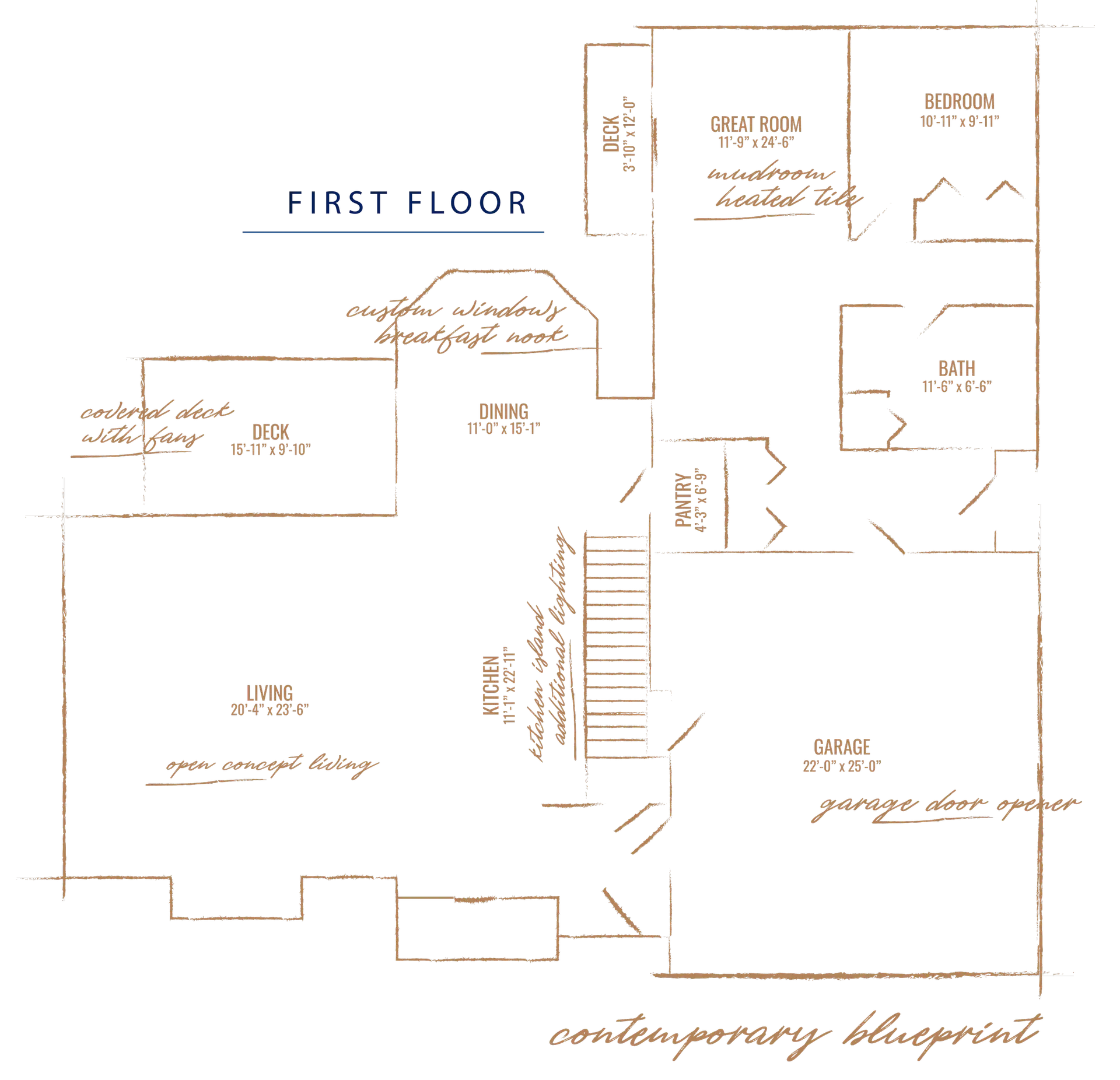
So, you’re on the hunt for the perfect floor plan, huh? Well, you’ve come to the right place! Choosing the right floor plan for your needs is like finding the perfect pair of shoes – it’s all about the fit. And just like shoes, there are countless options out there, each with its own unique style and features. But fear not, my friend, because I’m here to guide you through the process and help you find the floor plan of your dreams.
Now, I know what you’re thinking – “How do I even begin to choose the right floor plan?” Well, it all starts with understanding your needs and preferences. Do you have a big family and need plenty of space? Or maybe you’re a minimalist who prefers a cozy and compact layout. Whatever your lifestyle, there’s a floor plan out there that’s perfect for you. So, grab a cup of coffee, get comfortable, and let’s dive into the wonderful world of floor plans. Together, we’ll find the one that checks all the boxes and makes your heart skip a beat.
How Do I Choose the Right Floor Plan for My Needs?
Choosing the right floor plan for your needs is an important decision when it comes to building or buying a home. Here are a few steps to help you make the right choice:
- Assess your lifestyle: Consider your daily routines, hobbies, and family size to determine the ideal layout.
- Evaluate your space: Measure the available space and visualize how each floor plan will fit.
- Consider functionality: Think about how you want to use each room and ensure it meets your needs.
- Think long-term: Consider future needs, such as potential family growth or aging in place.
- Seek professional advice: Consult with an architect or builder who can guide you based on your requirements.
By following these steps, you’ll be able to choose a floor plan that suits your lifestyle and meets your needs.
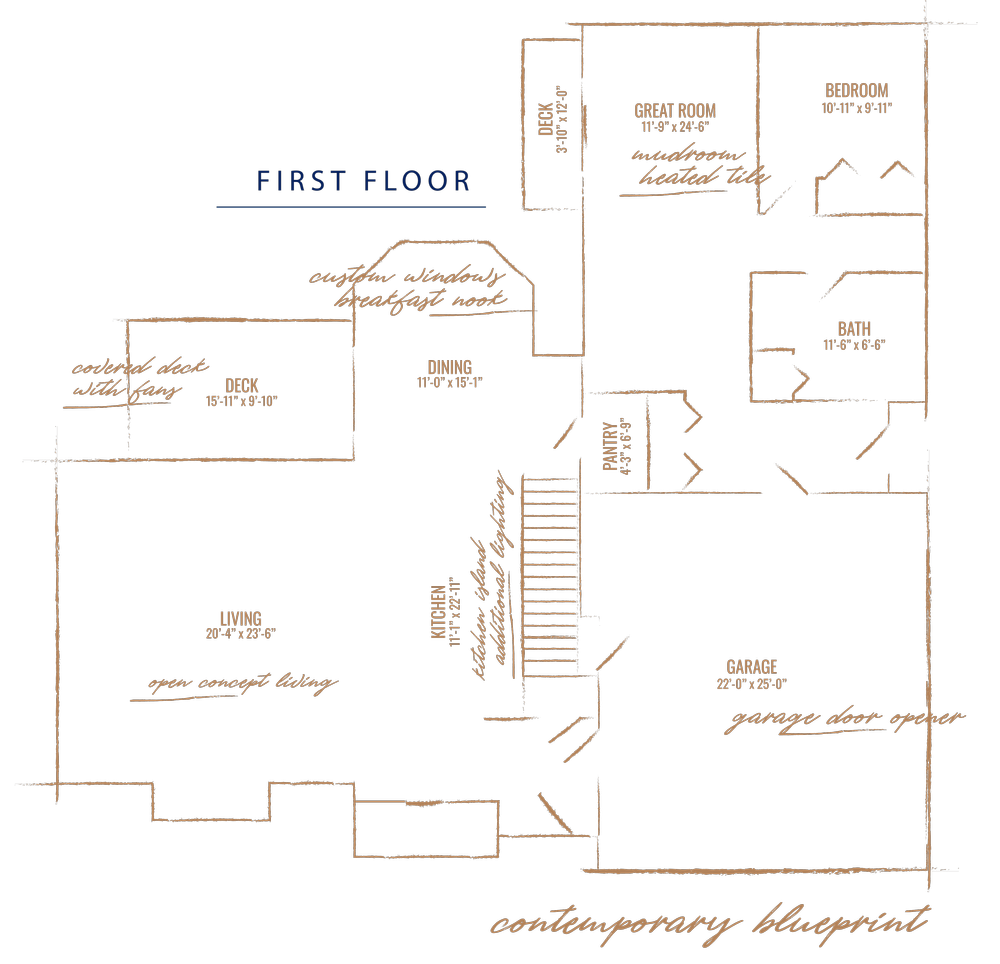
How Do I Choose the Right Floor Plan for My Needs?
Choosing the right floor plan for your needs is an important decision when it comes to designing your home. The layout and flow of your space can greatly impact your daily life, so it’s essential to take the time to consider your options and make an informed choice. In this article, we will explore the key factors to consider when choosing a floor plan, as well as some tips to help you find the perfect fit for your lifestyle.
Factors to Consider When Choosing a Floor Plan
When selecting a floor plan, there are several factors to consider that will contribute to the overall functionality and livability of your home.
1. Lifestyle: Consider your current lifestyle and how you envision using your home in the future. Do you entertain frequently? Do you work from home and require a dedicated office space? Understanding your needs and preferences will guide you in choosing a floor plan that accommodates your lifestyle.
2. Size and Space: Evaluate the size and space requirements for each room in the floor plan. Ensure that the rooms are proportionate to your needs and that there is adequate space for furniture and storage. Take into account any future plans, such as expanding your family, that may require additional space.
3. Flow and Functionality: Consider the flow and functionality of the floor plan. Is it easy to navigate from one room to another? Are the rooms situated in a logical and convenient manner? A well-designed floor plan will promote a smooth flow between spaces and enhance the overall functionality of your home.
4. Natural Light and Views: Take note of the orientation of the floor plan and how it maximizes natural light and views. Consider the placement of windows and the potential for natural ventilation. Access to natural light and pleasant views can greatly enhance the ambiance and enjoyment of your home.
5. Privacy: Consider the level of privacy each room offers. Bedrooms, bathrooms, and study areas should ideally be situated away from high-traffic areas to ensure a peaceful and private atmosphere.
Tips for Choosing the Right Floor Plan
To help you make the best decision when choosing a floor plan, here are some tips to keep in mind:
1. Prioritize Your Must-Haves: Make a list of your must-have features and prioritize them. This will help you narrow down your options and focus on the floor plans that meet your essential requirements.
2. Consider Future Needs: Think about your long-term plans and how the floor plan will accommodate any changes. Will it be flexible enough to adapt to your evolving needs? Planning for the future can save you from the hassle and expense of remodeling down the line.
3. Seek Professional Advice: If you’re unsure about which floor plan will work best for you, consult with an architect or designer. They can provide expert guidance and help you make an informed decision based on your needs and preferences.
4. Visualize the Space: It can be challenging to envision how a floor plan will translate into a physical space. Use online tools or hire a professional to create a 3D mock-up of the floor plan. This will give you a better understanding of the layout and help you visualize how it will feel to live in the space.
5. Visit Display Homes: If possible, visit display homes or open houses to get a sense of different floor plans and their real-life dimensions. Walking through a physical space can provide valuable insights and help you determine what works best for you.
Remember, choosing the right floor plan is a personal decision that should align with your lifestyle, preferences, and future plans. Take the time to explore your options, consider your needs, and seek professional advice when needed. With careful consideration, you’ll find the perfect floor plan that turns your dream home into a reality.
Key Takeaways: How Do I Choose the Right Floor Plan for My Needs?
- Consider your lifestyle and future needs when choosing a floor plan.
- Think about the number of bedrooms and bathrooms you need.
- Evaluate the flow and functionality of the floor plan.
- Take into account your budget and the cost of building or renovating.
- Consult with a professional architect or designer for expert advice.
Frequently Asked Questions
What factors should I consider when choosing a floor plan?
Choosing the right floor plan for your needs involves several important factors. First, consider the size of your family and the number of bedrooms you require. If you have children, you may want to ensure that their bedrooms are close to yours or that there is a playroom or study area. Next, think about your lifestyle and how you use your living space. If you enjoy entertaining guests, an open floor plan with a spacious kitchen and living area may be ideal. Finally, consider your future needs. Will you be expanding your family? Do you plan to work from home? Keep these factors in mind when selecting a floor plan.
It’s important to consider the layout and flow of the floor plan. Think about how you move through your home and whether the floor plan allows for easy navigation. Look for a layout that provides a good balance of open spaces and private areas. Finally, take into account any specific design preferences you may have, such as a preference for single-level living or a desire for a designated office or exercise room.
How can I determine the right size for my floor plan?
Determining the right size for your floor plan requires careful consideration of your needs and preferences. Start by assessing your current living space and identifying any areas that feel cramped or underutilized. This will give you a sense of the amount of space you need to feel comfortable. Consider the size of your furniture and belongings to ensure they will fit comfortably in the new floor plan.
It can also be helpful to visit model homes or take virtual tours to get a better sense of different floor plan sizes. Visualizing yourself in the space can give you a better understanding of whether it will meet your needs. Finally, consult with a professional architect or designer who can provide guidance based on your specific requirements and budget.
What are the advantages of an open floor plan?
An open floor plan offers several advantages that make it a popular choice for many homeowners. One of the main benefits is the sense of spaciousness it creates. By eliminating walls and barriers between rooms, an open floor plan allows for a seamless flow of natural light and creates an airy, expansive feel.
Another advantage is the flexibility it provides for entertaining and socializing. With an open floor plan, you can easily host gatherings and interact with guests while preparing meals in the kitchen. It also allows for better communication and connectivity between family members, as everyone can be in the same shared space while engaging in different activities.
What should I consider when choosing the location of bedrooms?
The location of bedrooms in a floor plan is an important consideration, especially if you have specific needs or preferences. One factor to consider is proximity to the main living areas. If you have young children, you may prefer bedrooms that are located near the master bedroom for easy access and monitoring. On the other hand, if you value privacy and seclusion, you might prefer bedrooms that are situated away from the main living areas.
Consider the orientation of the bedrooms in relation to natural light and views. Bedrooms with windows facing east will receive morning sunlight, while those facing west will have afternoon sun. Think about which direction you prefer the bedrooms to face based on your lifestyle and preferences. Lastly, if noise is a concern, you may want to choose bedrooms that are located away from noisy areas such as the kitchen or living room.
What are some popular floor plan styles?
There are several popular floor plan styles that cater to different tastes and preferences. One popular style is the open concept floor plan, which combines the kitchen, dining, and living areas into one large, open space. This layout is great for those who enjoy entertaining and want a seamless flow between rooms.
Another popular style is the traditional floor plan, which typically features separate rooms and defined spaces. This style offers a more formal and traditional feel, with rooms designated for specific purposes such as a formal dining room or a study. Traditional floor plans are often chosen by those who prefer a more classic and structured layout.
Modern and contemporary floor plans are also gaining popularity. These styles often feature clean lines, minimalistic design, and an emphasis on open spaces and natural light. They are ideal for those who appreciate a sleek and minimalist aesthetic.
How to choose the right house and floor plan when buying your next home
Final Summary: Choosing the Perfect Floor Plan for You
So there you have it, folks! We’ve covered all the important aspects to consider when choosing the right floor plan for your needs. It may seem like a daunting task at first, but with a little bit of research and reflection, you can find the perfect layout that suits your lifestyle and preferences.
Remember, it’s crucial to think about your current and future needs. Will you be expanding your family? Do you work from home and need a dedicated office space? These are all factors that should influence your decision. Additionally, consider the flow of the floor plan and how it aligns with your daily routines. You want a space that enhances your lifestyle and makes everyday activities a breeze.
When it comes to design, don’t be afraid to let your personality shine through. Whether you prefer an open-concept layout for entertaining or a cozy and intimate space for relaxation, there’s a floor plan that’s perfect for you. Take the time to visualize yourself in the space and imagine how it will enhance your day-to-day life.
Lastly, don’t forget to consult with professionals such as architects or interior designers. They have the expertise to guide you through the process and offer valuable insights. By following these tips and considering your unique needs, you’ll be well on your way to finding the ideal floor plan that ticks all the boxes.
So, go ahead and embark on this exciting journey of finding the floor plan that will transform