

Renovation Notes
Does Vinyl Siding Last Long?
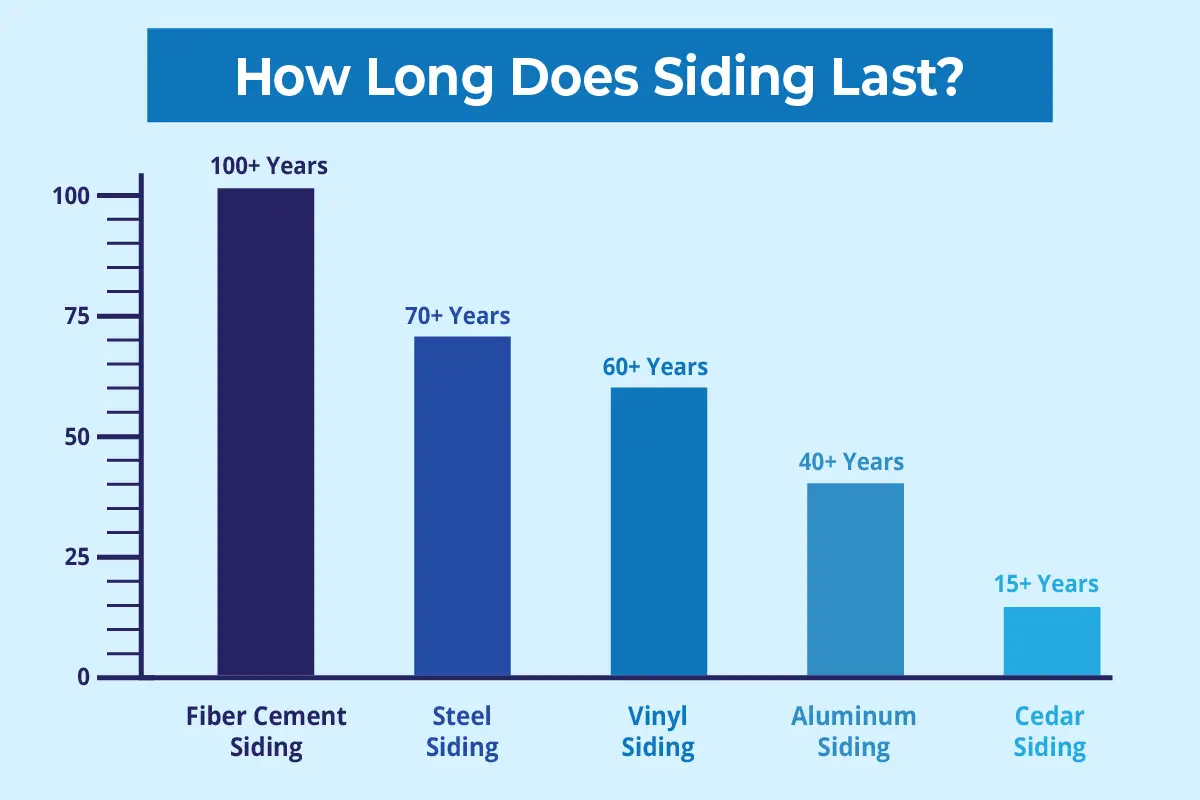
If you’re considering vinyl siding for your home, you might be wondering, “Does vinyl siding last long?” Well, let me put your curiosity to rest. Vinyl siding is known for its durability and longevity, making it a popular choice among homeowners. But how long does it really last? Let’s dive into the world of vinyl siding and explore its lifespan.
When it comes to durability, vinyl siding is a champion. It’s designed to withstand the test of time, enduring various weather conditions and everyday wear and tear. Unlike other siding materials, vinyl doesn’t rot, warp, or crack easily. It’s also highly resistant to pests and moisture, ensuring that your home stays protected for years to come. With proper installation and maintenance, vinyl siding can last anywhere from 20 to 40 years, making it a wise long-term investment for your home.
So, if you’re looking for a siding option that combines durability, affordability, and low maintenance, vinyl siding is the way to go. Now that we’ve answered the burning question of “Does vinyl siding last long?” you can confidently consider vinyl siding as a reliable and long-lasting option for your home. Let’s explore the benefits and features of vinyl siding in more detail and discover why it’s a popular choice among homeowners.
Vinyl siding is known for its durability and longevity. With proper installation and maintenance, vinyl siding can last for several decades. It is resistant to rot, fading, and insect damage, making it an excellent choice for homeowners who want a low-maintenance option. Vinyl siding is also available in a wide range of colors and styles, allowing you to customize the look of your home. Overall, vinyl siding is a durable and long-lasting choice for homeowners.
Does Vinyl Siding Last Long?
Vinyl siding is a popular choice for homeowners due to its durability and low maintenance. But how long does vinyl siding actually last? In this article, we will explore the lifespan of vinyl siding and factors that can affect its longevity.
Understanding Vinyl Siding Longevity
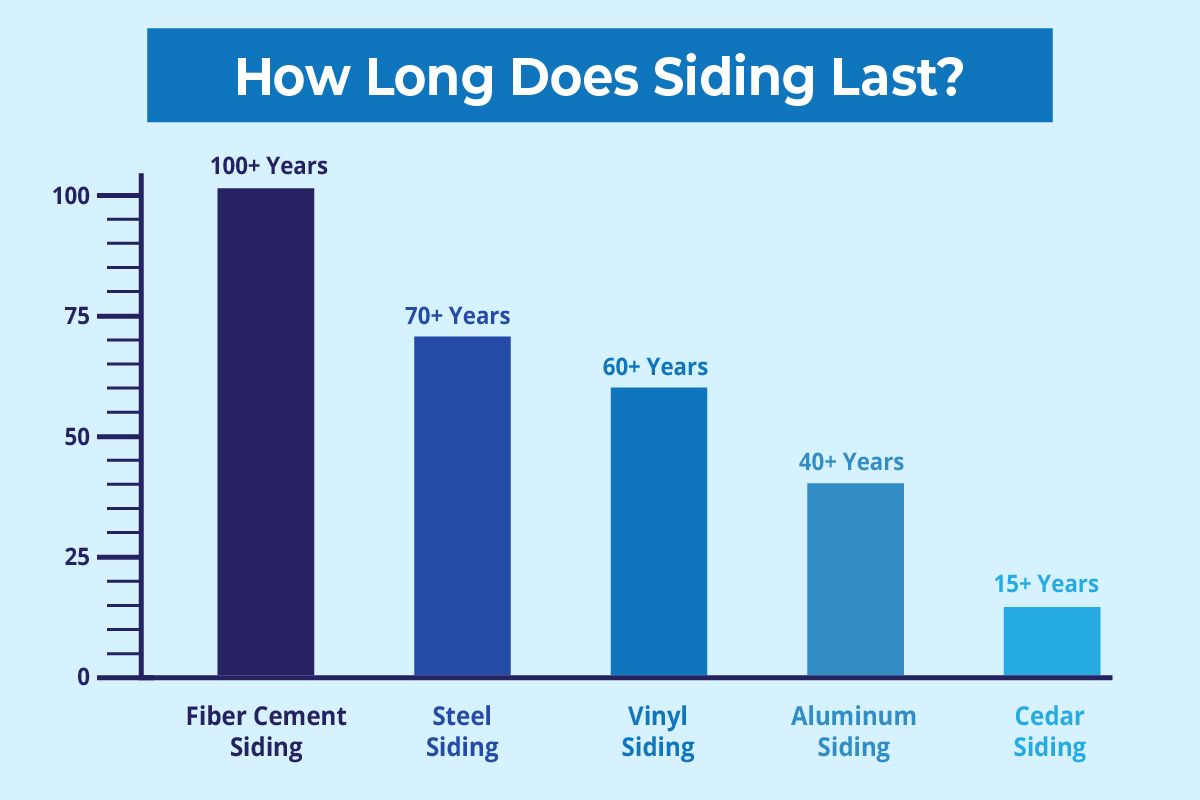
Vinyl siding is known for its long lifespan, with an average expectancy of 20 to 40 years. However, the actual longevity of vinyl siding depends on various factors, including the quality of the material, installation, maintenance, and exposure to harsh weather conditions.
The quality of the vinyl used plays a significant role in determining its lifespan. Higher-quality vinyl siding is manufactured to be more resistant to fading, cracking, and warping, ensuring that it lasts longer. Investing in premium-grade vinyl siding can provide homeowners with peace of mind and a longer-lasting exterior.
Factors Affecting Vinyl Siding Longevity
-
Installation: Proper installation is crucial for the longevity of vinyl siding. If not installed correctly, issues such as moisture retention and poor ventilation can arise, leading to premature deterioration. Hiring a professional and experienced installer is essential to ensure proper installation.
-
Maintenance: Regular maintenance can significantly extend the lifespan of vinyl siding. Cleaning the siding annually with a mild detergent and water helps remove dirt, mold, and mildew, preventing them from causing long-term damage. Additionally, inspecting the siding for any signs of damage and addressing them promptly can prevent further deterioration.
-
Weather Conditions: Vinyl siding is designed to withstand various weather conditions, including rain, snow, and UV exposure. However, prolonged exposure to extreme weather conditions can cause wear and tear over time. Harsh sunlight, in particular, can cause fading and discoloration. Choosing vinyl siding with built-in UV protection can help mitigate these effects.
-
Impact Resistance: Vinyl siding is generally resistant to impact, but severe storms or accidental impacts can cause damage. Hail, falling branches, or even lawnmower accidents can lead to cracks or punctures in the siding. Opting for thicker vinyl panels or impact-resistant options can provide added protection against such incidents.
-
Color Fading: Over time, even high-quality vinyl siding can experience some degree of color fading. This is especially true for darker shades that are more prone to UV damage. Choosing lighter colors or siding with fade-resistant coatings can help maintain the vibrancy of the siding for a longer period.
In conclusion, vinyl siding can last anywhere from 20 to 40 years, depending on various factors. Investing in high-quality materials, professional installation, regular maintenance, and considering factors like weather conditions and impact resistance can help ensure the longevity of vinyl siding. By understanding these factors and taking necessary precautions, homeowners can enjoy the benefits of vinyl siding for many years to come.
Key Takeaways: Does Vinyl Siding Last Long?
- Vinyl siding can last for decades if properly maintained.
- Regular cleaning and inspections help prolong the lifespan of vinyl siding.
- High-quality vinyl siding is more durable and lasts longer.
- Extreme weather conditions can affect the longevity of vinyl siding.
- Choosing the right color and style can ensure your vinyl siding looks good for years to come.
Frequently Asked Questions
How long does vinyl siding typically last?
Vinyl siding is known for its durability and longevity. On average, vinyl siding can last anywhere from 20 to 40 years, depending on various factors such as the quality of the siding, installation techniques, and maintenance. High-quality vinyl siding with proper installation and regular upkeep can significantly extend its lifespan.
However, it’s important to note that extreme weather conditions, such as hailstorms or hurricanes, can impact the longevity of vinyl siding. Proper maintenance, including regular cleaning and inspection, can help identify any potential issues early on and prevent further damage.
What factors can affect the lifespan of vinyl siding?
Several factors can influence the longevity of vinyl siding. Firstly, the quality of the siding itself plays a crucial role. Higher-quality vinyl siding tends to be more durable and resistant to fading, cracking, and warping. Additionally, proper installation techniques, including correct fastening and sufficient insulation, can contribute to the longevity of the siding.
Environmental factors also come into play. Harsh weather conditions, such as extreme temperatures, heavy rain, or prolonged exposure to sunlight, can affect the lifespan of vinyl siding. Regular maintenance, such as cleaning, inspecting for damage, and addressing any issues promptly, can help prolong the lifespan of vinyl siding.
Are there any maintenance requirements for vinyl siding?
Vinyl siding is relatively low maintenance compared to other siding materials. However, some basic maintenance practices can help extend its lifespan. Regular cleaning with a mild detergent and water can remove dirt, dust, and mildew from the surface of the siding.
Inspecting the siding for any signs of damage, such as cracks, loose panels, or fading, is also important. Any issues should be addressed promptly to prevent further damage. Additionally, trimming trees or shrubs near the siding can minimize the risk of scratches or other physical damage caused by branches or vegetation.
Can vinyl siding be repaired if it gets damaged?
Yes, vinyl siding can be repaired if it gets damaged. Minor issues, such as small cracks or loose panels, can often be fixed without having to replace the entire siding. It’s recommended to contact a professional siding contractor to assess the damage and provide the appropriate repair solutions.
For more severe damage, such as extensive cracking or significant structural issues, replacing the affected panels or sections of the siding may be necessary. Regular maintenance and prompt repairs can help prevent minor damage from escalating into more significant problems.
Is vinyl siding a good investment for long-term durability?
Yes, vinyl siding is generally considered a good investment for long-term durability. Its durability, low maintenance requirements, and resistance to rot, insects, and moisture make it a popular choice among homeowners. Additionally, vinyl siding is available in a wide range of colors, styles, and textures, allowing for customization to suit individual preferences.
When properly installed and maintained, vinyl siding can offer excellent value for money and can last for several decades. It also provides insulation benefits, helping to improve energy efficiency and reduce heating and cooling costs. However, it’s essential to choose high-quality vinyl siding and ensure professional installation for optimal performance and longevity.
how long does house siding last?
Final Thoughts: Does Vinyl Siding Last Long?
So, we’ve delved into the question of whether vinyl siding lasts long, and the verdict is in: absolutely! Vinyl siding is known for its durability and longevity, making it a wise investment for homeowners. Not only does it provide a protective barrier for your home, but it also retains its vibrant color and doesn’t require excessive maintenance.
One of the reasons vinyl siding lasts so long is its resistance to various elements. It can withstand harsh weather conditions, such as rain, snow, and extreme temperatures, without deteriorating or warping. This means you can have peace of mind knowing that your siding will continue to protect your home for years to come. Additionally, vinyl siding is resistant to pests, such as termites, which can cause significant damage to other types of siding materials.
Vinyl siding is designed to maintain its appearance over time. Unlike other materials that may fade or chip, vinyl siding retains its vibrant color, giving your home a fresh and appealing look. It also doesn’t require painting, saving you time and money in the long run. With proper maintenance, such as regular cleaning, your vinyl siding can maintain its beauty for decades.
In conclusion, if you’re looking for a siding option that offers durability, low maintenance, and long-lasting beauty, vinyl siding is the way to go. Its ability to withstand the elements, resist pests, and maintain its vibrant color make it a reliable