

Renovation Notes
Can You Replace Argon Gas In Windows?
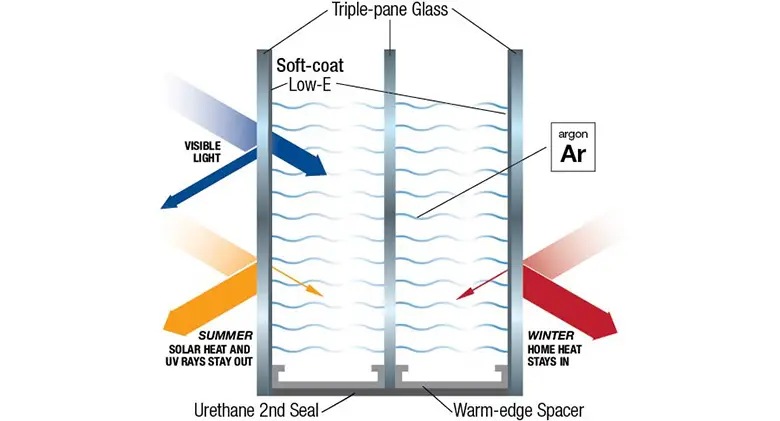
If you’re wondering, “Can you replace argon gas in windows?”, you’ve come to the right place! Argon gas is commonly used in double-pane windows to improve energy efficiency and insulation. However, over time, the gas can leak out, causing the windows to lose their effectiveness. So, what can you do about it? Can you simply replace the argon gas? Let’s find out!
Replacing argon gas in windows is a question that many homeowners have. Whether you’ve noticed a decrease in energy efficiency or you’ve recently discovered a leak, it’s important to understand your options. In this article, we’ll dive into the world of argon gas in windows and explore whether it can be replaced. So, grab a cup of coffee and join us as we unravel the mysteries of argon gas and its role in window insulation. Let’s get started!
Can You Replace Argon Gas in Windows? Unfortunately, it is not recommended to replace argon gas in windows. Argon gas is used as an insulating agent between the glass panels in windows, providing better thermal efficiency. If the seal is broken or the gas escapes, it is best to replace the entire window unit to maintain its energy-saving properties. Consult a professional for proper window replacement to ensure optimal performance and energy efficiency.
Can You Replace Argon Gas in Windows?
Argon gas is commonly used in windows to improve their energy efficiency and insulation properties. However, over time, the gas may leak out, causing a decrease in the window’s performance. This leads many homeowners to wonder if it is possible to replace the argon gas in their windows. In this article, we will explore the options and considerations when it comes to replacing argon gas in windows.
Replacing argon gas in windows is not a simple DIY task. It requires professional expertise and specialized equipment. The process involves removing the existing window pane, evacuating the remaining gas, and then refilling it with fresh argon gas. This requires precision and careful handling to ensure the window is properly sealed to prevent further gas leakage.
Not all windows are designed to have their argon gas replaced. Some windows have sealed units that cannot be opened, making it impossible to refill the gas. In such cases, the only option is to replace the entire window unit. However, if your windows have removable sashes or panels, it may be possible to replace the argon gas.
When considering whether to replace the argon gas in your windows, there are a few factors to consider. Firstly, you need to assess the condition of your windows. If they are old and in poor condition, it may be more cost-effective to replace the entire window rather than just the gas. Additionally, if the window frame is damaged or warped, it is important to address these issues before attempting to replace the gas.
Another important consideration is the cost. Replacing argon gas in windows can be quite expensive, especially if you have multiple windows that require servicing. It is recommended to get quotes from reputable window professionals to get an idea of the cost involved. In some cases, it may be more cost-effective to invest in new energy-efficient windows that come with a warranty.
It is also worth noting that replacing argon gas in windows is not always a guaranteed solution. If the window seals are damaged or compromised, simply refilling the gas may not solve the issue. In such cases, it is important to consult with a professional to assess the overall condition of the window and determine the best course of action.
In conclusion, while it is possible to replace argon gas in windows, it is not a simple DIY task and requires professional expertise. It is important to assess the condition of your windows, consider the cost involved, and consult with a reputable window professional before making a decision. Replacing the gas may improve the energy efficiency and insulation properties of your windows, but it is not always a guaranteed solution.
Key Takeaways: Can You Replace Argon Gas in Windows?
- Yes, it is possible to replace argon gas in windows.
- However, it is not a DIY project and should be done by a professional.
- The replacement process involves removing the old glass unit and installing a new one.
- Argon gas is used in windows to improve insulation and energy efficiency.
- Replacing argon gas can help restore the window’s energy-saving properties.
Frequently Asked Questions
When it comes to windows, many people wonder if they can replace argon gas. Argon gas is commonly used as an insulating agent in windows to improve energy efficiency. In this article, we will answer some frequently asked questions about replacing argon gas in windows.
1. What is argon gas and why is it used in windows?
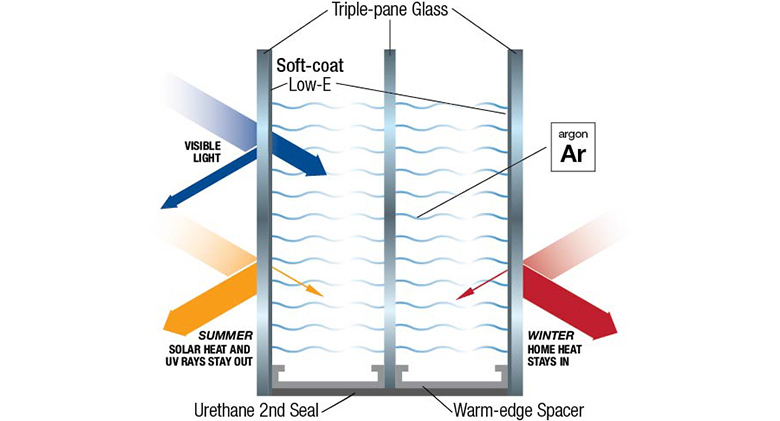
Argon gas is an odorless and colorless gas that is denser than air. It is used in windows to improve their thermal performance. When argon gas is sealed between the glass panes, it acts as an insulating barrier, reducing heat transfer and improving energy efficiency. This helps to keep your home cooler in the summer and warmer in the winter.
Replacing the argon gas in windows is a common maintenance practice to ensure that the windows continue to provide optimal energy efficiency.
2. Can you replace argon gas in windows?
Yes, it is possible to replace argon gas in windows. However, it is not a DIY project and should be done by a professional window technician. The process involves removing the existing gas, cleaning the window panes, and then injecting new argon gas into the space between the glass panes. It is important to hire a qualified professional who has experience in handling window gas replacement to ensure that the job is done correctly.
It is worth noting that if your windows are still under warranty, replacing the argon gas may void the warranty. It is recommended to check the warranty terms and consult with the window manufacturer before proceeding with the gas replacement.
3. How do I know if my windows need argon gas replacement?
If you notice condensation or fogging between the glass panes of your windows, it may indicate that the argon gas has leaked or dissipated. This can affect the thermal performance of the windows and reduce their energy efficiency. Other signs include a noticeable increase in draftiness or a decrease in the overall comfort of your home. If you suspect that your windows need argon gas replacement, it is best to contact a professional window technician for an inspection.
Regular maintenance and inspection of your windows can help identify any issues with the argon gas and ensure that your windows are functioning optimally.
4. How often should argon gas be replaced in windows?
The lifespan of argon gas in windows can vary depending on various factors such as the quality of the window installation, the seal integrity, and environmental conditions. In general, argon gas can last for 10 to 20 years. However, it is recommended to have your windows inspected by a professional every few years to check for any gas leakage or deterioration. If any issues are identified, the argon gas replacement may be necessary.
Regular maintenance and prompt replacement of argon gas can help ensure that your windows continue to provide optimal energy efficiency and comfort.
5. Are there alternatives to argon gas for window insulation?
Yes, there are alternatives to argon gas for window insulation. Some window manufacturers offer windows with other types of insulating gases such as krypton or xenon. These gases have higher insulating properties than argon gas, but they are also more expensive. The choice of insulating gas depends on various factors such as the climate, budget, and specific energy efficiency requirements.
It is recommended to consult with a professional window supplier or technician to determine the best insulating gas option for your specific needs.
Rebuilding an Argon filled Window
Final Summary: Can You Replace Argon Gas in Windows?
So, after diving deep into the topic of replacing argon gas in windows, we’ve come to a final summary. While it may be tempting to think that you can simply swap out the argon gas in your windows whenever you want, the truth is a bit more complicated. Argon gas is a crucial component for improving energy efficiency and reducing heat transfer in double or triple-pane windows. It acts as an insulator, preventing the outside temperature from affecting the indoor climate. However, over time, argon gas can dissipate due to various factors like seal failure or damage to the window.
If you find that your windows are no longer performing as efficiently as they once did, it’s important to consult with a professional. They can assess the condition of your windows and determine if replacing the argon gas is a viable option. In some cases, it may be more cost-effective to replace the entire window rather than just the argon gas. Remember, proper installation is key to ensuring optimal performance and energy efficiency.
In conclusion, while it may be possible to replace argon gas in windows, it’s not a straightforward DIY project. It’s important to consult with experts who can provide guidance based on the specific conditions of your windows. Whether it’s replacing the entire window or just the argon gas, prioritizing energy efficiency and proper installation will ensure that your windows continue to keep your home comfortable and energy-efficient