

Renovation Notes
Can I Remove Walls To Create An Open Floor Plan?
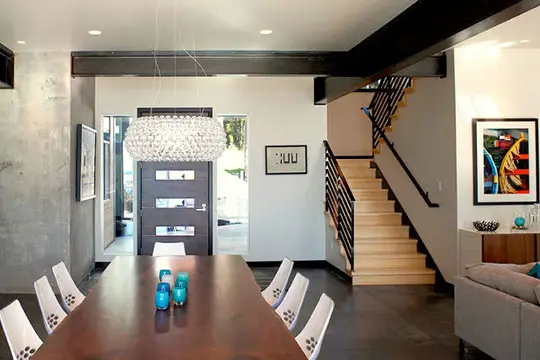
If you’ve ever found yourself daydreaming about spacious and airy living areas, then you’ve probably wondered, “Can I remove walls to create an open floor plan?” Well, my friend, you’ve come to the right place! In this article, we’ll delve into the exciting world of open floor plans and explore the possibilities of transforming your home into a modern and inviting space.
Imagine a home where the kitchen seamlessly flows into the dining area, where the living room blends effortlessly with the entertainment space. An open floor plan can make this dream a reality. Not only does it create a sense of connectivity and togetherness, but it also maximizes natural light and gives the illusion of a larger living space. So, let’s roll up our sleeves, grab our sledgehammers (figuratively speaking, of course), and discover how you can achieve the open floor plan of your dreams. Get ready to break down walls and break through the traditional confines of your home!
Yes, you can remove walls to create an open floor plan in your home. It can help create a spacious and airy feel, allowing for better flow and natural light. However, before removing any walls, it’s important to consult with a professional contractor or structural engineer to ensure the structural integrity of your home is not compromised. They can guide you on which walls can be safely removed and provide recommendations for any necessary reinforcements or supports. Remember to obtain any required permits before starting the project.
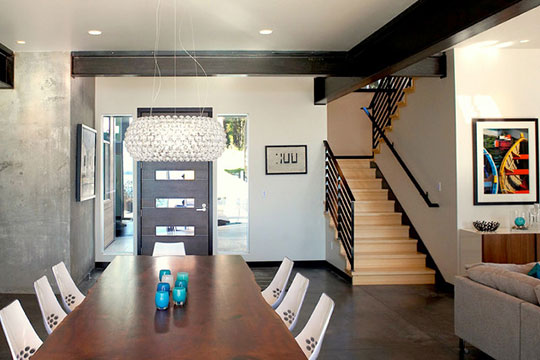
Can I Remove Walls to Create an Open Floor Plan?
Creating an open floor plan is a popular trend in modern home design. It can transform a space, making it feel larger, brighter, and more inviting. Many homeowners wonder if they can remove walls to achieve this desired open concept. In this article, we will explore the possibilities and considerations when it comes to removing walls to create an open floor plan.
Factors to Consider
Before diving into the process of removing walls, it’s important to consider a few key factors. First, you’ll need to determine if the wall you want to remove is load-bearing or non-load-bearing. Load-bearing walls are crucial for the structural integrity of the building, so removing them without proper support could compromise the stability of the entire structure. It’s essential to consult with a structural engineer or a professional contractor to assess the wall’s load-bearing status and develop a plan for reinforcement if needed.
Another factor to consider is the electrical, plumbing, and HVAC systems that may be running through the wall. It’s crucial to understand the potential impact on these systems and ensure that any necessary rerouting or modifications are done correctly. Consulting with a licensed electrician, plumber, or HVAC specialist will help you navigate these considerations and ensure the project is done safely and up to code.
Benefits of an Open Floor Plan
Now that we’ve discussed the factors to consider, let’s explore the benefits of creating an open floor plan. One of the primary advantages is the increased flow of natural light throughout the space. Removing walls allows light to filter in from different areas, creating a brighter and more airy atmosphere. Additionally, an open floor plan promotes better communication and interaction among family members or guests. It eliminates the barriers between different living spaces, making it easier to socialize and entertain.
An open floor plan can make a smaller space appear more expansive. By removing walls, you can create the illusion of a larger area and maximize the usable square footage. This is particularly beneficial for those living in urban or compact environments where space is limited. Lastly, an open floor plan enhances flexibility in furniture arrangement, allowing you to create different zones within the same space for various activities.
The Process of Removing Walls
Once you’ve considered the structural and functional aspects, it’s time to delve into the process of removing walls. Here’s a general overview of the steps involved:
- Consult with a professional: As mentioned earlier, it’s crucial to consult with a structural engineer or a professional contractor to assess the wall’s load-bearing status and develop an appropriate plan.
- Obtain necessary permits: Depending on your location, you may need to obtain permits before starting any demolition work. Check with your local building department to ensure compliance with regulations.
- Prepare the area: Clear the space surrounding the wall and protect nearby furniture or belongings. Use plastic sheeting to contain dust and debris during the demolition process.
- Demolition: Use appropriate tools and techniques to carefully remove the wall while minimizing damage to surrounding structures. It’s essential to follow safety precautions and wear protective gear.
- Reinforce if necessary: If the wall was load-bearing, it’s crucial to reinforce the structure with beams, columns, or other support systems as recommended by the professional you consulted.
- Electrical, plumbing, and HVAC modifications: If there were any systems running through the wall, consult with licensed professionals to reroute or modify them accordingly.
- Finishing touches: Once the structural modifications are complete, you can proceed with any necessary drywall repair, painting, or flooring installation to seamlessly integrate the open space with the rest of the room or home.
Considerations for a Successful Open Floor Plan
While the idea of an open floor plan may be appealing, there are a few additional considerations for a successful outcome. First, it’s important to maintain a cohesive design aesthetic throughout the space. Even though the rooms may no longer be physically separated, you can use furniture placement, color schemes, and flooring materials to define different areas within the open concept.
Another consideration is noise control. Open floor plans can lead to increased noise transfer between different living areas. To mitigate this, you can incorporate sound-absorbing materials, such as rugs, curtains, or acoustic panels, to help minimize noise transmission and create a more comfortable living environment.
Final Thoughts
Creating an open floor plan by removing walls can transform your living space and enhance the overall functionality and aesthetic appeal of your home. However, it’s essential to approach the process with careful consideration and professional guidance. By navigating the structural, functional, and design aspects, you can successfully create an open floor plan that not only meets your needs but also adds value to your home.
Key Takeaways: Can I Remove Walls to Create an Open Floor Plan?
- Removing walls can create an open floor plan, which is a popular trend in modern home design.
- Before removing any walls, it’s important to consult with a structural engineer or contractor to ensure the safety and feasibility of the project.
- Consider the purpose and function of the space when planning the removal of walls to create an open floor plan.
- Removing walls may require modifications to electrical, plumbing, and HVAC systems, so it’s essential to factor in these costs.
- Opening up the floor plan can enhance natural light, improve traffic flow, and create a more spacious and inviting living area.
Frequently Asked Questions
1. What factors should I consider before removing walls to create an open floor plan?
Before removing walls to create an open floor plan, there are a few important factors to consider:
Firstly, you should consult with a professional architect or structural engineer to assess the feasibility of removing walls in your specific space. They can determine if any walls are load-bearing or if there are any potential structural issues that need to be addressed.
It’s important to consider the impact on the overall layout and functionality of your home. Think about how the removal of walls will affect the flow of traffic, the placement of furniture, and the functionality of each space. It’s a good idea to create a detailed plan or consult with an interior designer to ensure that the open floor plan will meet your needs and preferences.
2. Are there any potential challenges or risks involved in removing walls?
While creating an open floor plan can be a great way to enhance the look and functionality of your home, there are potential challenges and risks to be aware of:
One challenge is the potential cost and time involved in removing walls. Depending on the complexity of the project and any necessary structural modifications, the process can be labor-intensive and may require permits and inspections. It’s important to budget for these potential expenses and plan accordingly.
Another risk to consider is the impact on the resale value of your home. While open floor plans are popular and desirable for many homeowners, some buyers may prefer more defined spaces. It’s important to consider the potential impact on your home’s value and marketability before making the decision to remove walls.
3. How can I determine if a wall is load-bearing?
Determining if a wall is load-bearing is best left to a professional architect or structural engineer. They have the expertise to assess the structural integrity of the wall and determine if it is necessary for the overall stability of the building.
However, there are some general indicators that can help you identify load-bearing walls. These include walls that run perpendicular to the floor joists, walls located in the center of the building, and walls that support heavy structural elements such as beams or columns. If you’re unsure, it’s always best to consult with a professional to ensure the safety and integrity of your home.
4. Can I remove walls on my own, or do I need to hire a professional?
Removing walls can be a complex task that requires knowledge of structural engineering, building codes, and safety precautions. While small non-load-bearing walls may be possible to remove on your own, it is generally recommended to hire a professional for larger or load-bearing walls.
A professional architect or contractor can ensure that the removal process is done safely and in compliance with local building codes. They can also provide guidance on any necessary structural modifications and help you create a well-designed open floor plan that meets your needs.
5. Are there alternatives to removing walls to create an open floor plan?
If removing walls is not feasible or desirable in your space, there are alternative ways to create an open floor plan:
One option is to create the illusion of open space by using furniture placement and strategic design elements. This can involve using open shelving or bookcases to define spaces without blocking visual flow, using light colors and reflective surfaces to make rooms feel larger, and incorporating large windows or glass doors to connect indoor and outdoor spaces.
Another option is to consider partial wall removal or the addition of archways or pass-throughs. These architectural features can provide a sense of openness while still maintaining some separation between spaces. Consulting with an interior designer can help you explore these alternatives and find the best solution for your specific needs.
Removing a Wall to Create an Open Floor Plan – Old House Home Renovation
Final Summary: Should You Remove Walls to Create an Open Floor Plan?
So, can you remove walls to create an open floor plan? The answer is a resounding yes! Removing walls can completely transform the look and feel of your space, creating a more open and inviting atmosphere. Not only does it enhance the aesthetics of your home, but it also improves functionality and promotes better flow between rooms. Whether you want to create a spacious living area, a modern kitchen, or a seamless transition between indoor and outdoor spaces, removing walls can be a game-changer.
However, before you grab a sledgehammer and start demolishing walls, it’s essential to consult with a professional. An experienced contractor or architect can assess the structural integrity of your home and provide expert guidance on which walls can safely be removed. Additionally, obtaining the necessary permits and ensuring compliance with building codes is crucial for a successful renovation. By working with professionals and considering factors like load-bearing walls and electrical wiring, you can achieve your dream open floor plan while maintaining the safety and stability of your home.
In conclusion, removing walls to create an open floor plan can be a fantastic way to update your living space and enhance its functionality. It allows for better natural light, improved circulation, and a more modern and spacious feel. However, it’s crucial to approach this renovation project with careful planning and the assistance of professionals to ensure a successful outcome. With the right guidance and a clear vision of your desired end result