

Renovation Notes
Can I Install New Drywall Over Existing Damaged Drywall?
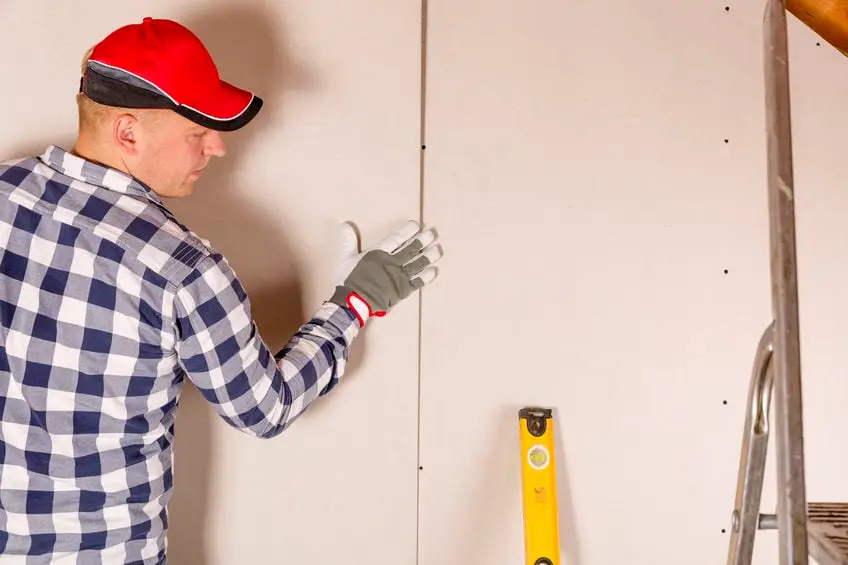
If your walls are looking worse for wear and you’re wondering if you can simply cover up the damage with new drywall, you’re not alone. The question on everyone’s mind is, “Can I install new drywall over existing damaged drywall?” Well, fear not, because I’m here to give you the lowdown on this common home improvement dilemma.
Let’s face it, damaged drywall can be a real eyesore. Whether it’s due to water damage, cracks, or holes, it’s understandable that you want to find a quick and easy fix. The good news is that in many cases, it is possible to install new drywall over the existing damaged drywall. However, there are a few factors you need to consider before diving into this DIY project. So, grab your tools and let’s get to work on transforming those damaged walls into a fresh canvas for your creativity!
Yes, you can install new drywall over existing damaged drywall. However, it is important to assess the extent of the damage first. If the existing drywall is severely damaged, it would be best to remove it before installing new drywall. If the damage is minor, you can install the new drywall directly over it. Ensure the existing drywall is clean, secure, and free from any loose or damaged sections. This will provide a stable surface for the new drywall installation.
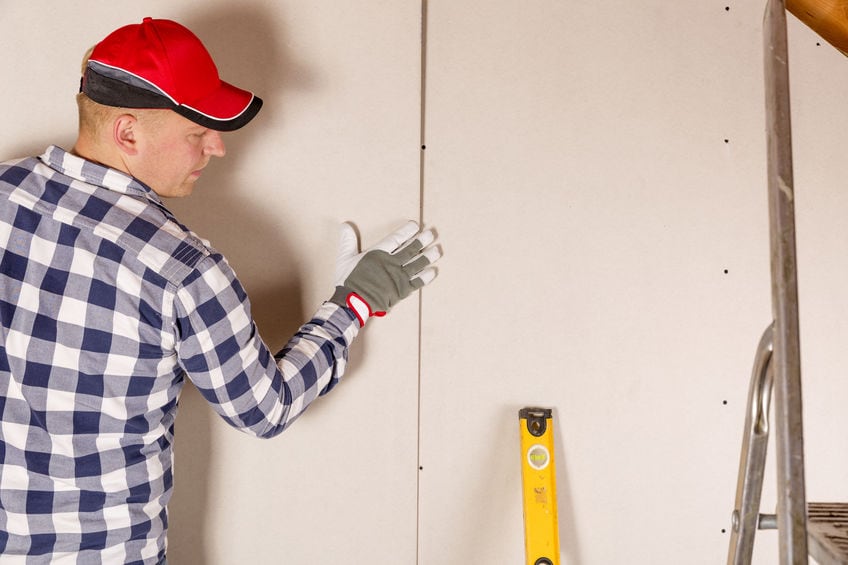
Can I Install New Drywall Over Existing Damaged Drywall?
Installing new drywall over existing damaged drywall is a common question for homeowners looking to update their walls. Whether you’re dealing with cracks, holes, or water damage, it can be tempting to cover up the problem with a fresh layer of drywall. However, before you dive into this project, it’s important to understand the implications and potential challenges involved.
The Considerations for Installing New Drywall over Damaged Drywall
When deciding whether to install new drywall over existing damaged drywall, there are a few key factors to consider. First, you need to assess the extent of the damage. If the damage is minor, such as small cracks or nail holes, it may be possible to repair the existing drywall instead of starting from scratch. However, if the damage is extensive, such as large holes or significant water damage, installing new drywall may be the better option.
Another consideration is the cause of the damage. If the damage is due to structural issues, such as a shifting foundation or ongoing moisture problems, simply covering it up with new drywall won’t solve the underlying problem. It’s essential to address and repair the root cause of the damage before proceeding with any cosmetic fixes.
Repairing Minor Damage to Existing Drywall
If the damage to your existing drywall is minor, it’s worth exploring the option of repairing it instead of installing new drywall. This can save you time and money while still achieving a smooth and seamless finish. Here are the steps to repair minor damage to existing drywall:
-
Clean the damaged area: Remove any loose debris or flaking paint from the damaged area.
-
Patch the holes or cracks: Use a joint compound or spackle to fill in small holes or cracks. Smooth the compound with a putty knife and let it dry completely.
-
Sand the patched area: Once the compound is dry, sand it smooth using fine-grit sandpaper. This will ensure a seamless finish when the area is painted.
-
Prime and paint: Apply a coat of primer to the patched area, then paint over it to match the surrounding wall.
By following these steps, you can repair minor damage to your existing drywall without the need for a complete replacement.
When to Install New Drywall
In some cases, installing new drywall is the best solution for addressing damaged walls. Here are a few situations where installing new drywall may be necessary:
-
Extensive damage: If the existing drywall has large holes, significant water damage, or is crumbling, installing new drywall is often the most efficient and effective solution.
-
Mold or mildew: If your existing drywall is affected by mold or mildew, it’s crucial to remove and replace it to prevent further spread and ensure a healthy living environment.
-
Structural issues: If the damage is caused by underlying structural issues, such as a shifting foundation, it’s important to address these issues before installing new drywall. Simply covering up the damage won’t fix the root cause and may lead to recurring problems.
-
Aesthetic preference: Sometimes, homeowners choose to install new drywall simply because they want a fresh start or a different look. This can be a valid reason as long as the underlying damage and structural issues have been addressed.
Benefits of Installing New Drywall Over Damaged Drywall
While the decision to install new drywall over damaged drywall depends on the specific circumstances, there are several potential benefits to consider. Here are a few advantages of opting for new drywall installation:
-
Improved appearance: New drywall provides a clean, smooth surface that can significantly enhance the overall appearance of a room. It allows for a fresh start and allows you to choose the desired paint color or wallpaper without worrying about existing blemishes.
-
Increased durability: If the existing drywall is severely damaged or weakened, installing new drywall can enhance the structural integrity of your walls. This can be particularly important in areas prone to moisture or high traffic.
-
Better insulation: Installing new drywall provides an opportunity to improve insulation in your walls. By adding insulation between the studs before installing the new drywall, you can create a more energy-efficient and comfortable living space.
-
Increased property value: A well-maintained and visually appealing interior can positively impact the value of your home. Installing new drywall over damaged walls can help improve the overall aesthetics and potentially increase the resale value of your property.
In conclusion, the decision to install new drywall over existing damaged drywall depends on the extent of the damage, the cause of the damage, and your specific goals and preferences. In some cases, repairing the existing drywall may be sufficient, while in others, installing new drywall is the best solution. It’s important to assess the situation carefully and consider the long-term implications before making a decision.
Key Takeaways: Can I Install New Drywall Over Existing Damaged Drywall?
- Yes, you can install new drywall over existing damaged drywall.
- Before installing new drywall, make sure to repair any major damages or holes in the existing drywall.
- Remove loose or crumbling areas of the damaged drywall to ensure a smooth surface for the new drywall.
- Consider adding a layer of primer to the existing drywall before installing the new drywall for better adhesion.
- Installing new drywall over damaged drywall can be a cost-effective way to improve the appearance of your walls.
Frequently Asked Questions
1. Can I repair damaged drywall or should I install new drywall over it?
When it comes to damaged drywall, the decision to repair or replace depends on the extent of the damage. Minor cracks, holes, or dents can often be repaired using joint compound and patching techniques. However, if the damage is severe, such as water damage or extensive crumbling, it may be more practical to install new drywall.
Replacing the damaged drywall ensures a fresh, smooth surface for your walls and eliminates any potential hidden issues. Moreover, it allows for a more thorough inspection of the underlying structure to identify and address any underlying problems.
2. What are the benefits of installing new drywall over existing damaged drywall?
Installing new drywall over existing damaged drywall can provide several benefits. Firstly, it saves time and effort compared to removing the old drywall entirely. It also eliminates the need for extensive repairs and patching, as the new drywall covers up the existing damage.
Installing new drywall allows for a fresh start, providing a clean, even surface for paint or wallpaper. It can also enhance the insulation and soundproofing qualities of your walls, improving the overall comfort and energy efficiency of your home.
3. What precautions should I take before installing new drywall over existing damaged drywall?
Before installing new drywall over existing damaged drywall, there are a few precautions you should take. Start by thoroughly inspecting the existing drywall for any signs of mold, mildew, or structural damage. Address these issues before proceeding with the installation.
Ensure that the existing drywall is securely attached to the wall studs and is free from loose or damaged sections. Remove any loose paint or wallpaper and clean the surface to ensure proper adhesion. It’s also advisable to consult a professional or seek expert advice to determine the best course of action for your specific situation.
4. What tools and materials do I need to install new drywall over existing damaged drywall?
To install new drywall over existing damaged drywall, you will need a few essential tools and materials. These include a utility knife, tape measure, drywall screws, a screwdriver or drill, joint compound, sandpaper, a taping knife, and a drywall saw or keyhole saw for cutting the new drywall to size.
You may also need additional materials such as drywall adhesive or construction adhesive, depending on the condition of the existing drywall. It’s important to have the necessary safety equipment, such as gloves and goggles, to protect yourself during the installation process.
5. Can I install new drywall over existing damaged drywall in all situations?
In most situations, it is possible to install new drywall over existing damaged drywall. However, there are some instances where it may not be recommended or feasible. If the existing drywall is severely warped, uneven, or has extensive water damage, it may be necessary to remove it entirely and start fresh.
If the damaged drywall is a result of structural issues, such as termite damage or foundation problems, it’s crucial to address those underlying issues before proceeding with the installation. Consulting a professional or seeking expert advice can help determine the best course of action for your specific situation.
Drywall Over Drywall – The Lost Files
Final Thoughts
So, can you install new drywall over existing damaged drywall? While it may seem like a convenient solution, it’s important to consider the condition of the existing drywall and the extent of the damage. In many cases, it’s best to remove the damaged drywall and start fresh with a new installation. This ensures a solid foundation for your new walls and prevents any underlying issues from affecting the new drywall. However, there are situations where installing new drywall over existing damaged drywall can be a viable option.
If the existing drywall is structurally sound and the damage is minimal, you may be able to save time and money by installing new drywall over it. This can be particularly beneficial for small repairs or when time is a factor. Just be sure to properly assess the condition of the existing drywall and address any underlying issues before proceeding. Additionally, it’s important to consult with a professional or experienced contractor to ensure that the installation is done correctly and meets safety standards.
In conclusion, while it’s possible to install new drywall over existing damaged drywall, it’s crucial to carefully evaluate the situation and consider the extent of the damage. Ultimately, the decision should be based on the condition of the existing drywall and the desired outcome. By taking the time to assess the situation and seek professional guidance if needed, you can make an informed decision that will result in a successful and long-lasting drywall installation.