

Renovation Notes
Can I Change The Floor Plan Of My Existing Home?
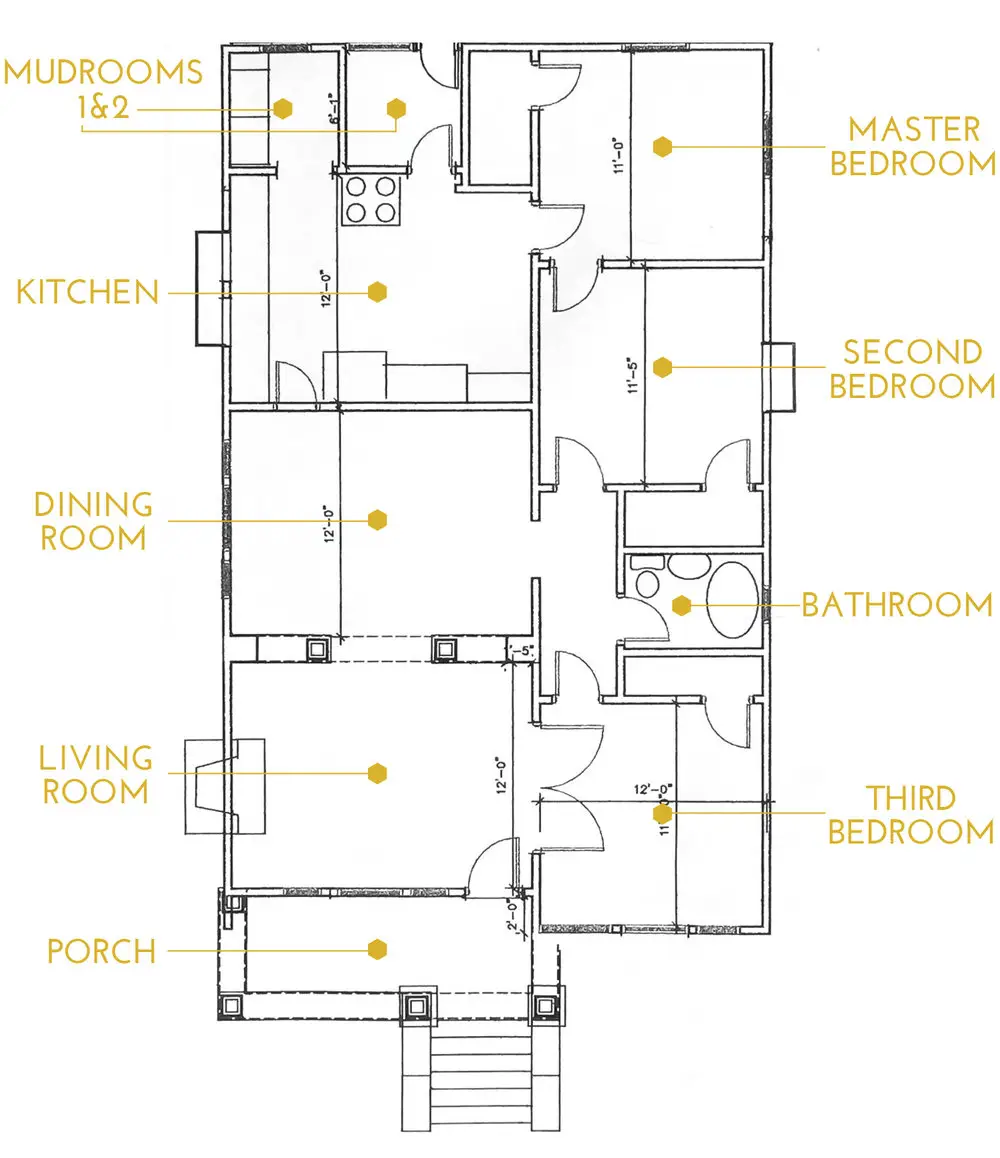
Thinking about making some changes to your home? Well, you’ve come to the right place! In this article, we’ll dive into the exciting question: “Can I change the floor plan of my existing home?” Whether you’re dreaming of an open-concept layout or need to accommodate a growing family, we’ll explore the possibilities and give you some valuable insights. So, grab a cup of coffee, get comfortable, and let’s get started!
Your home is your sanctuary, and sometimes, it just needs a little makeover to match your evolving lifestyle. The good news is that you have the power to transform your space into something that truly reflects your personality and meets your needs. But before you grab a sledgehammer and start knocking down walls, let’s talk about the process of changing the floor plan of your existing home. From understanding the structural considerations to working with professionals, we’ll cover everything you need to know. So, let your imagination run wild and get ready to create the home of your dreams!
Can I Change the Floor Plan of My Existing Home?
Yes, you can change the floor plan of your existing home. However, it requires careful planning and consideration. Here are the steps to follow:
- Assess your needs and determine the changes you want to make.
- Consult with a professional architect or designer to create a new floor plan.
- Obtain any necessary permits or approvals from your local authorities.
- Hire a contractor or builder to execute the changes.
- Prepare a budget and timeline for the project.
- Communicate your vision clearly to the professionals involved.
- Monitor the progress and make adjustments as needed.
By following these steps, you can successfully change the floor plan of your existing home and create a space that meets your needs and preferences.

Can I Change the Floor Plan of My Existing Home?
When it comes to home renovations, one question that often arises is whether it’s possible to change the floor plan of an existing home. Many homeowners dream of transforming their space to better suit their needs and lifestyle, but they may be unsure if it’s feasible or even allowed. The good news is that in many cases, it is possible to change the floor plan of your existing home. However, there are several factors to consider before embarking on such a project.
First and foremost, it’s important to understand that changing the floor plan of your home can be a complex and time-consuming process. It typically involves a significant amount of planning, design work, and construction. Depending on the scope of the changes you want to make, you may need to obtain permits and work with architects, contractors, and other professionals. It’s essential to have a clear vision of what you want to achieve and to work with experienced professionals who can help bring your ideas to life.
Factors to Consider
Before making any decisions about changing the floor plan of your existing home, there are several factors you should consider. The first is the structural integrity of your home. Depending on the changes you want to make, you may need to remove load-bearing walls or make other modifications that could impact the overall stability of the structure. It’s crucial to consult with a structural engineer to determine what is feasible and safe.
Another important factor to consider is your budget. Changing the floor plan of your home can be a costly endeavor, and it’s essential to have a realistic understanding of how much you’re willing to spend. This includes not only the cost of the construction work itself but also any design fees, permits, and other associated expenses. It’s a good idea to get quotes from multiple contractors and to create a detailed budget before proceeding with any changes.
Design Considerations
When changing the floor plan of your existing home, it’s important to carefully consider the design implications. Think about how the new layout will flow and function, and how it will meet your needs and lifestyle. Consider factors such as natural light, privacy, and accessibility. It may be helpful to work with an interior designer or architect who can provide guidance and help you make informed decisions about the design of your new space.
Think about the long-term implications of the changes you want to make. Will the new floor plan still meet your needs as your family grows or your lifestyle changes? It’s important to future-proof your home as much as possible to ensure that it remains functional and appealing for years to come.
Permits and Regulations
Before making any changes to the floor plan of your existing home, it’s important to research and understand the permits and regulations that may apply. Depending on where you live, there may be zoning restrictions, building codes, or other regulations that dictate what changes you can make to your home. It’s essential to consult with local authorities and obtain any necessary permits before starting any construction work.
Working with professionals who are familiar with local regulations can help ensure that your project complies with all necessary requirements. They can guide you through the permit application process and help you navigate any potential challenges or roadblocks.
Benefits of Changing the Floor Plan
While changing the floor plan of your existing home can be a significant undertaking, it offers several benefits. One of the most significant advantages is the ability to customize your space to better suit your needs and preferences. You can create a layout that maximizes functionality and enhances your daily life. Whether you want to open up your living area, create a dedicated home office, or add an additional bedroom, changing the floor plan allows you to tailor your home to your exact specifications.
Changing the floor plan can increase the value of your home. By creating a more functional and desirable layout, you can make your property more appealing to potential buyers in the future. This can result in a higher resale value and a faster sale if you decide to move.
Conclusion
Changing the floor plan of your existing home is often possible, but it’s essential to approach the process with careful consideration and planning. Take the time to thoroughly assess your needs, budget, and design preferences before making any decisions. Work with experienced professionals who can guide you through the process and ensure that your project complies with all necessary regulations. With proper planning and the right team, you can transform your home into a space that truly reflects your lifestyle and enhances your daily life.
Key Takeaways
- Yes, you can change the floor plan of your existing home.
- Consulting with a professional architect or designer is recommended.
- Consider your budget and time constraints before making changes.
- Obtaining necessary permits and approvals is crucial.
- Be prepared for potential structural modifications and renovations.
Frequently Asked Questions
1. Can I customize the floor plan of my existing home?
Yes, you can change the floor plan of your existing home to better suit your needs and preferences. However, it’s important to consider certain factors before making any modifications. First, check if your local building codes and regulations allow for such changes. You may need to obtain permits and follow specific guidelines to ensure the modifications are done safely and legally.
Next, assess the structural feasibility of the changes you want to make. Consult with a professional architect or structural engineer to determine if the modifications can be safely implemented without compromising the integrity of the building. They can provide valuable insights and recommendations based on their expertise.
2. How much does it cost to change the floor plan of a house?
The cost of changing the floor plan of a house can vary significantly depending on the extent of the modifications and the complexity of the project. Factors that can affect the cost include the size of your home, the materials and finishes you choose, and whether any structural changes are required.
To get a better idea of the potential cost, it’s advisable to consult with a professional contractor or architect who can assess your specific project and provide a detailed estimate. They will consider factors such as labor, materials, permits, and any additional expenses that may arise during the construction process. Remember to budget for unforeseen expenses to ensure you have enough financial resources to complete the project.
3. What are the steps involved in changing the floor plan of a home?
Changing the floor plan of a home typically involves several steps. Here is a general outline of the process:
-
Initial Consultation: Meet with a professional architect or designer to discuss your ideas and requirements. They will assess the existing floor plan and propose possible modifications based on your needs.
-
Design Development: Once you have agreed on a concept, the architect will develop detailed plans and drawings. This stage may involve multiple revisions and consultations to ensure the design meets your expectations.
-
Permits and Approvals: Before any construction can begin, you may need to obtain permits from your local building authority. Your architect can guide you through this process and help you submit the necessary documentation.
-
Construction: Once all approvals are in place, the construction phase can begin. This involves hiring a contractor, coordinating tradespeople, and overseeing the construction process to ensure the floor plan changes are implemented correctly.
4. How long does it take to change the floor plan of a house?
The time it takes to change the floor plan of a house can vary depending on the scope of the project and various other factors. Simple modifications, such as removing a non-load-bearing wall, may only take a few days to complete. However, more extensive changes that involve structural modifications or additions can take several weeks or even months.
It’s important to consider that the timeline can also be affected by factors such as obtaining permits and approvals, availability of contractors and tradespeople, and unforeseen issues that may arise during construction. To get a better estimate of the timeline for your specific project, consult with a professional architect or contractor who can assess the scope of work and provide a realistic timeframe.
5. Will changing the floor plan of my home increase its value?
Changing the floor plan of your home can potentially increase its value, especially if the modifications enhance the functionality, flow, and overall appeal of the space. However, the extent to which it increases the value will depend on various factors, including the local real estate market, the quality of the renovations, and the preferences of potential buyers.
It’s advisable to consult with a real estate professional or appraiser who can assess the potential impact of the floor plan changes on your home’s value. They can provide valuable insights based on market trends and buyer preferences in your area.
Floor Plan Changes – How, Why and the exact $$ it cost | McDonald Jones Homes Almeria Two 2020
Final Summary: Can I Change the Floor Plan of My Existing Home?
So, there you have it, folks! The answer to the burning question of whether you can change the floor plan of your existing home is a resounding YES! With the right planning, resources, and a dash of creativity, you can transform your space into the home of your dreams.
Remember, when embarking on a floor plan change, it’s crucial to consult with professionals such as architects, contractors, and interior designers. These experts will guide you through the process, ensuring that your vision aligns with structural integrity, building codes, and functionality.
Whether you want to knock down walls to create an open-concept layout, add an extension to accommodate a growing family, or reconfigure rooms to better suit your lifestyle, the possibilities are endless. Embrace the opportunity to breathe new life into your home and make it uniquely yours.
So, go ahead and let your imagination run wild. With careful planning, a bit of elbow grease, and the support of professionals, you can turn your existing home into a space that reflects your personality and fulfills your every need. Happy renovating, and may your new floor plan bring you many years of joy and comfort!