

Renovation Notes
Are Window Replacements Tax Deductible?
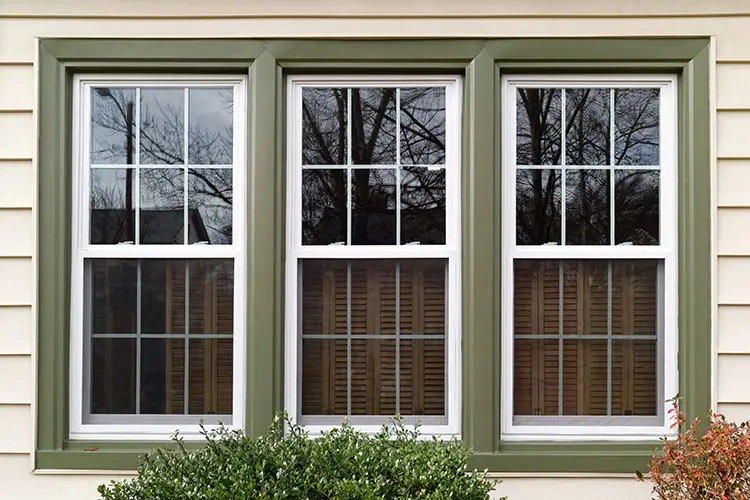
Did you recently replace the windows in your home? Are you wondering if window replacements are tax deductible? Well, you’re in luck because we’re here to shed some light on this topic! Many homeowners are curious about the tax implications of window replacements and whether they can benefit from any deductions. So, let’s dive in and explore the question: Are window replacements tax deductible?
When it comes to tax deductions, it’s crucial to stay informed and understand the rules to maximize your savings. Window replacements can potentially provide tax benefits, but it’s essential to know the specific circumstances in which you may be eligible. In this article, we’ll break down the factors that come into play when determining whether window replacements are tax deductible. So, grab a cup of coffee and get ready to learn about the ins and outs of tax deductions for window replacements!
No, window replacements are not typically tax deductible. However, there are some exceptions. If you install energy-efficient windows that meet certain criteria, you may be eligible for a tax credit. The credit can help offset the cost of the windows and installation. It’s important to consult a tax professional or refer to the IRS guidelines to determine if your window replacements qualify for any tax benefits.

Are Window Replacements Tax Deductible?
When it comes to home improvements, many homeowners wonder if they can get any tax deductions for the expenses they incur. One common question that arises is whether window replacements are tax deductible. While the answer to this question may vary depending on your specific situation, it’s important to understand the general rules and guidelines set by the Internal Revenue Service (IRS).
Before diving into the details, it’s essential to note that I am not a tax professional, and the information provided in this article is for general informational purposes only. For specific advice regarding your personal tax situation, it’s always best to consult with a qualified tax professional.
Understanding Tax Deductions for Home Improvements
When it comes to home improvements, the IRS distinguishes between repairs and improvements. Repairs, such as fixing a leaky faucet or replacing a broken window pane, are typically considered maintenance and are not eligible for tax deductions. On the other hand, improvements, which increase the value of your home, may qualify for tax deductions.
Window replacements fall under the category of home improvements. However, whether they are tax deductible or not depends on the purpose of the replacement. If you are replacing your windows solely for aesthetic reasons or to update the look of your home, they are generally not tax deductible. However, if you are replacing your windows for energy efficiency purposes, you may be eligible for certain tax credits or deductions.
Energy Efficiency Tax Credits
The IRS offers tax credits for energy-efficient home improvements, including qualified window replacements. These tax credits are designed to incentivize homeowners to make energy-efficient upgrades to their homes, reducing their carbon footprint and saving on energy costs.
To qualify for these tax credits, the windows you install must meet specific energy efficiency criteria set by the IRS. These criteria typically include factors such as U-factor, Solar Heat Gain Coefficient (SHGC), and Visible Transmittance (VT). It’s important to consult the IRS guidelines or speak with a tax professional to determine if your window replacements meet the necessary requirements.
If your window replacements meet the energy efficiency criteria, you may be eligible for a tax credit of up to 10% of the cost of the windows, up to a maximum of $200 for windows and $500 for all qualified energy-efficient improvements. Keep in mind that these tax credits are subject to certain limitations and may vary depending on your tax filing status and income level.
Home Office Deductions
If you use a portion of your home exclusively for business purposes and have a home office, you may be eligible for certain deductions related to your window replacements. The IRS allows for deductions on expenses directly related to your home office, including repairs and improvements.
However, to qualify for these deductions, your home office must meet specific criteria set by the IRS. These criteria include using the space regularly and exclusively for business, as well as meeting certain size requirements. It’s crucial to consult the IRS guidelines or seek advice from a tax professional to ensure you meet all the necessary requirements for claiming these deductions.
Consulting a Tax Professional
While this article provides a general overview of the tax implications of window replacements, it’s important to remember that tax laws can be complex and subject to change. To get accurate and up-to-date information regarding your specific situation, it’s highly recommended to consult with a qualified tax professional.
A tax professional can help you navigate through the intricacies of the tax code, assess your eligibility for deductions or credits, and ensure that you maximize your tax benefits. They can also provide guidance on record-keeping requirements and assist you in preparing your tax returns.
Final Thoughts
While window replacements may not always be tax deductible, there are circumstances where you may be eligible for tax credits or deductions. Understanding the specific criteria set by the IRS and consulting with a tax professional are crucial steps in determining your eligibility for these tax benefits. So, if you’re considering window replacements for energy efficiency or have a home office, be sure to explore the potential tax advantages that may be available to you.
Key Takeaways: Are Window Replacements Tax Deductible?
- Window replacements may be eligible for tax deductions if they meet certain energy efficiency criteria.
- Energy Star certified windows and doors can qualify for tax credits.
- Consult with a tax professional to determine if your window replacements are tax deductible.
- Keep all receipts and documentation related to the window replacements for tax purposes.
- Research local, state, and federal tax incentives for energy-efficient home improvements.
Frequently Asked Questions
Question 1: Can I deduct the cost of window replacements on my taxes?
While there are some tax benefits available for home improvements, window replacements are generally not tax deductible. The Internal Revenue Service (IRS) considers window replacements to be a personal expense rather than a deductible expense. However, there are a few exceptions to this rule.
If you use your home for business purposes, such as having a home office or using a portion of your home for rental purposes, you may be able to deduct a portion of the cost of window replacements as a business expense. Additionally, if you make energy-efficient upgrades to your windows, you may be eligible for tax credits. It’s important to consult with a tax professional or refer to the IRS guidelines to determine if you qualify for any deductions or credits.
Question 2: What types of window replacements qualify for energy-efficient tax credits?
To qualify for energy-efficient tax credits, your window replacements must meet certain criteria set by the IRS. Generally, windows that are Energy Star certified and have a U-factor and Solar Heat Gain Coefficient (SHGC) that meet the required standards are eligible for tax credits. These energy-efficient windows help reduce energy consumption and can lower your utility bills.
It’s important to note that the tax credits for energy-efficient window replacements are subject to change and may have specific limitations or expiration dates. It’s recommended to check the current guidelines and requirements provided by the IRS or consult with a tax professional to ensure your window replacements qualify for tax credits.
Question 3: Are there any other tax benefits for window replacements?
While window replacements may not be directly tax deductible, they can still have indirect tax benefits. Upgrading your windows to energy-efficient models can lower your energy consumption, resulting in lower utility bills. This can help reduce your overall tax burden by decreasing your taxable income.
Window replacements can increase the value of your home. If you decide to sell your home in the future, the increased value can lead to a higher selling price. This can potentially result in capital gains tax savings if you meet the requirements for the primary residence exclusion.
Question 4: Can I deduct the cost of window replacements if I have a historic home?
If you own a historic home and need to replace the windows, you may be able to deduct the cost as a historic preservation expense. The IRS allows certain deductions for expenses related to the preservation and restoration of historic properties. However, it’s important to meet the specific requirements and guidelines set by the IRS for these deductions.
Consulting with a tax professional who is knowledgeable about historic home deductions can help you determine if you qualify for any tax benefits related to window replacements.
Question 5: What documentation do I need to support window replacement deductions or credits?
If you plan to claim deductions or credits for window replacements, it’s important to keep accurate records and documentation. This includes invoices or receipts from the window installation company, proof of payment, and any energy efficiency certifications or ratings for the windows.
Having proper documentation will help support your claims and ensure that you can provide evidence if requested by the IRS. It’s recommended to keep these records for at least three years after filing your tax return.
2023 Energy Efficient Windows Tax Credit | Inflation Reduction Act Explained
Final Summary: Are Window Replacements Tax Deductible?
So, we’ve delved into the question of whether window replacements are tax deductible, and the answer may not be as straightforward as we’d like. While there are some instances where you can potentially claim a tax deduction for window replacements, it’s crucial to understand the specific circumstances and guidelines set by the IRS.
In general, window replacements for energy-efficiency purposes, such as installing Energy Star-rated windows, may qualify for certain tax credits. These credits can help offset the cost of the windows and provide some financial relief. However, it’s important to note that not all window replacements will be eligible, and there are specific criteria that need to be met to claim these deductions.
To ensure you’re making the most of any potential tax benefits, it’s wise to consult with a tax professional who can guide you through the intricacies of the tax code. They can help determine if your window replacements meet the necessary requirements and assist you in navigating the paperwork involved. Remember, tax laws can change, so staying informed and seeking professional advice is crucial when it comes to optimizing your tax deductions.
In conclusion, while window replacements may offer potential tax benefits in certain situations, it’s essential to understand the specific rules and regulations set by the IRS. By consulting with a tax professional and staying up to date with the latest tax laws, you can make informed decisions about your window replacement projects and potentially maximize any available tax deductions